

Turkish Parliament Approves Student Amnesty Bill, Removes Faculty Background Check Clause
Translated from Turkish, summarized and contextualized by DistantNews.
At a glance
News
Sources not specified
Approved/passed
- Turkey's Grand National Assembly passed a bill allowing students who were dismissed or failed to enroll to continue their education.
- The bill also grants final-year students two additional exam attempts for failed or incomplete courses.
- An amendment requiring security and background checks for faculty members before assuming duties was removed from the bill.
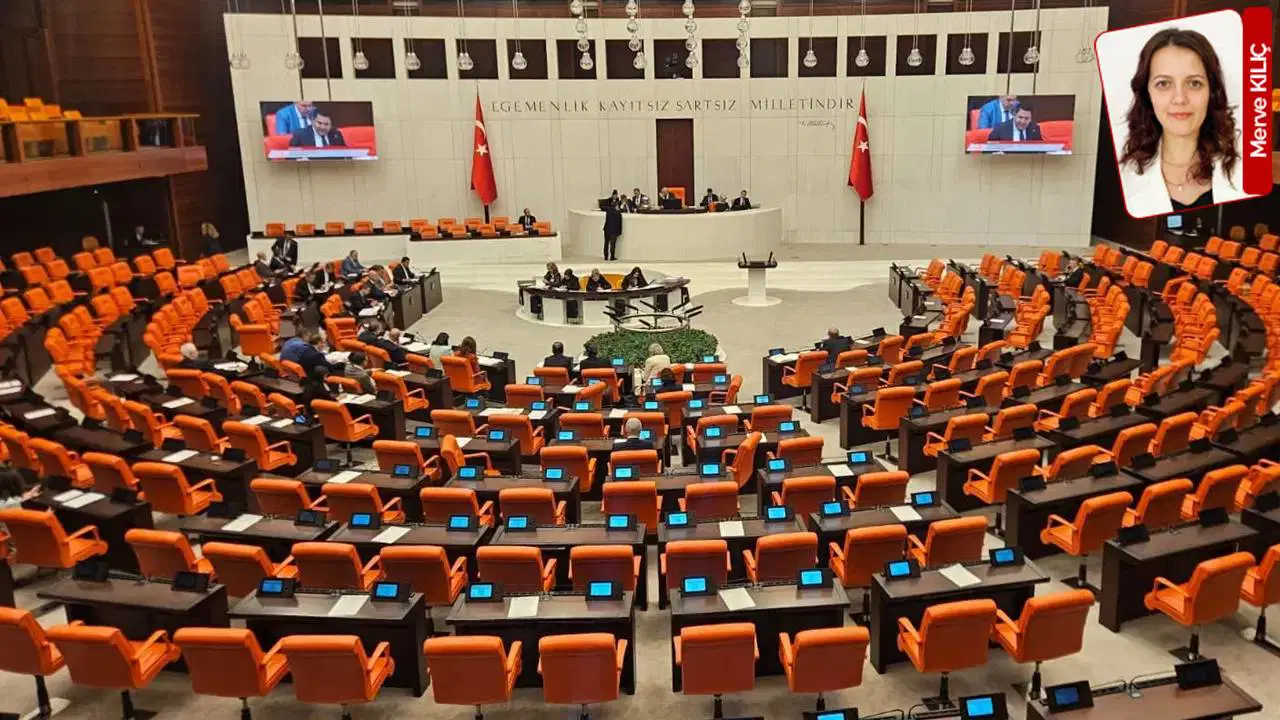
Turkey's Grand National Assembly has approved a legislative amendment that offers a second chance to students who were previously dismissed from higher education institutions or failed to enroll. The bill, which passed after extensive deliberations, allows these students to resume their academic pursuits.
Key provisions of the law include granting students who have exhausted their maximum study period two additional exam attempts for courses they failed or did not complete, excluding their internship period. Furthermore, students unable to finish practical or internship training will now have the opportunity to complete their education. However, students in intermediate years who have reached their maximum study duration will not be eligible for this provision.
The legislation also addresses the rights of faculty members. It ensures that the employment rights of academic staff who retire due to age but continue to work under contract will be protected, maintaining consistency in payments related to their actual work. Additionally, academic staff invited by higher education institutions in Turkish Republics and related communities can be granted paid leave for up to three years, extendable to five years for programs under international agreements.
In a significant move, the law introduces a dismissal penalty for academic appointments and promotions for those who use the scientific publications and works of others, as well as for those who facilitate such plagiarism. Disciplinary investigation procedures have also been revised in line with a Constitutional Court ruling, guaranteeing individuals the right to be informed of allegations, a minimum of seven days for statement and defense, and access to investigation documents before submitting their defense.
Further amendments include aligning the additional payment ceiling for faculty members and research assistants specializing in medical sub-specialties with their counterparts at the Ministry of Health. Provisions for faculty members in joint application and research centers to continue receiving supplementary payments from revolving funds have also been regulated. The bill also outlines procedures for the inventory and transfer of assets acquired through projects.
DistantNews Editorial
Originally published by Cumhuriyet in Turkish. Translated, summarized, and contextualized by our editorial team with added local perspective. Read our editorial standards.
More Stories


From Our Blog

What Gets Lost (and Found) When News Is Translated

The Critical Role of Diaspora Media in Global News

What Travellers Should Know About Countries with Restricted Press

A Digital Nomad's Guide to Following Local News

How the Same Story Looks Different in Different Countries
