


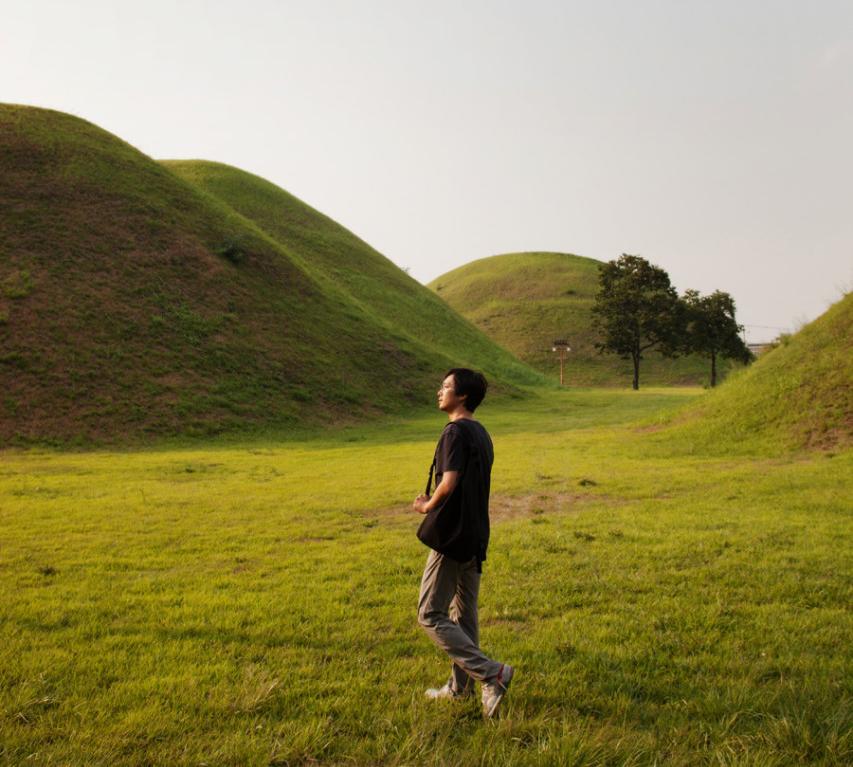
From ancient Jinling to modern Gyeongju: Places that hold memory and inspire reflection
Translated from Korean, summarized and contextualized by DistantNews.
At a glance
In-depth
Sources not specified
Context piece
- The article explores the concept of 'special places' imbued with memory and attachment, using literary and cinematic examples.
- It references the ancient Chinese city of Jinling (modern Nanjing) as a place that inspired poets like Li Bai to reflect on history and personal feelings.
- The film 'Gyeongju' is cited as a contemporary example of a story centered on a specific location and its emotional resonance.
Certain places resonate deeply within us, becoming repositories of memory and emotional attachment. The ancient Chinese city of Jinling, known today as Nanjing in Jiangsu Province, served as the capital for six dynasties. Its historical significance and evocative atmosphere inspired poets like Li Bai during the Tang Dynasty.
Li Bai visited Jinling multiple times, composing poems that reflected on the city's past glories and his own feelings. In one poem, written while fleeing conflict, he addresses Jinling as 'you,' imbuing the ruined city with a sense of personal connection. Through his verses, Jinling transforms from a mere geographical location into a space charged with historical weight and the poet's own melancholic reflections on past figures and his present circumstances.
This profound connection between place and emotion is not confined to ancient history. The 2014 South Korean film 'Gyeongju,' directed by Jang Lu, uses the historic city of Gyeongju as its setting. The movie follows the protagonist, Choi Hyun, as he visits the city following the death of an acquaintance, exploring the layers of memory and personal significance embedded within the ancient capital.
DistantNews Editorial
Originally published by Dong-A Ilbo in Korean. Translated, summarized, and contextualized by our editorial team with added local perspective. Read our editorial standards.
More Stories


From Our Blog

What Gets Lost (and Found) When News Is Translated

The Critical Role of Diaspora Media in Global News

What Travellers Should Know About Countries with Restricted Press

A Digital Nomad's Guide to Following Local News

How the Same Story Looks Different in Different Countries
