

From Aristotle to Atatürk: Olive's Legacy for a Healthy Future Requires 'Good Agriculture'
Translated from Turkish, summarized and contextualized by DistantNews.
At a glance
In-depth
Sources not specified
Context piece
- Olive trees, a symbol of the Mediterranean and Anatolia for millennia, are crucial for resilient agriculture, biodiversity, and healthy soils in the face of climate change.
- Historically, olive trees held significant economic, social, and cultural value, as evidenced by ancient laws and mythology, and scientific findings confirm their deep roots in the region.
- Climate change, with rising temperatures, droughts, and new pests, poses the greatest threat to olive groves, necessitating a shift towards sustainable farming practices like 'good agriculture' to protect soil and ensure the future of olive cultivation.
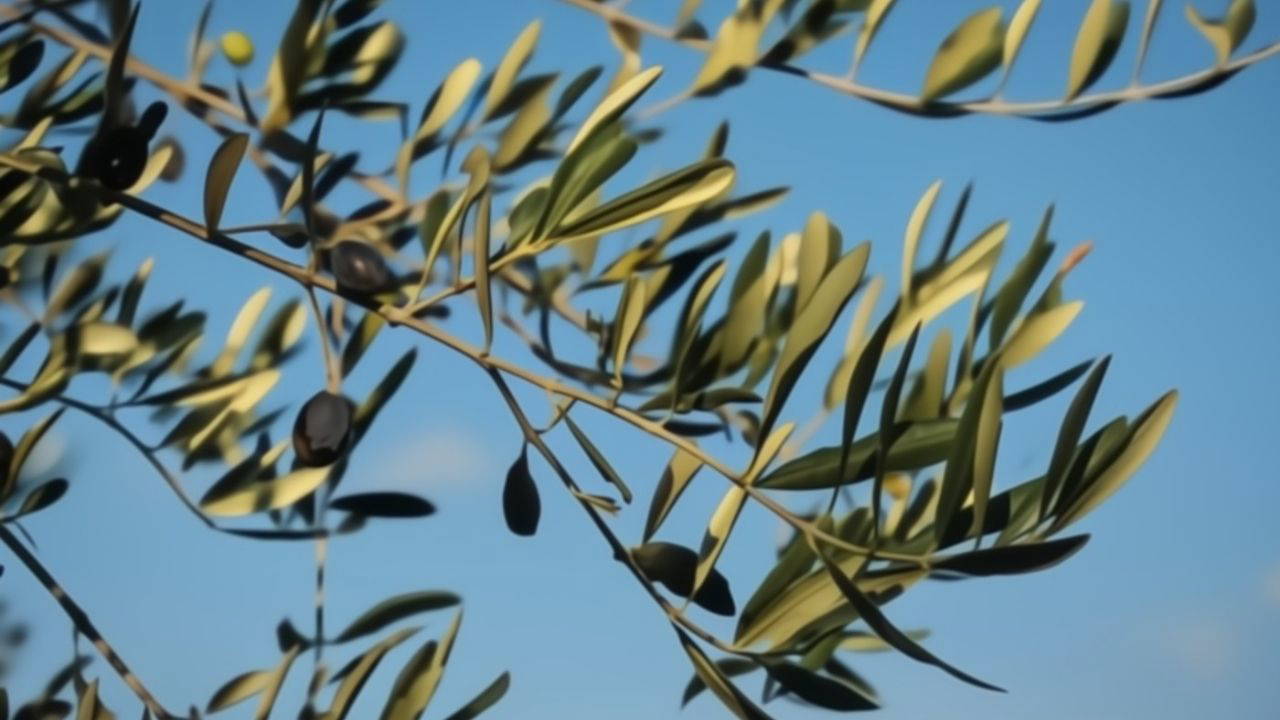
The olive tree, an enduring symbol of the Mediterranean and Anatolia for thousands of years, is now recognized as a vital component of climate-resilient agriculture, biodiversity, and soil health. Beyond its fruit and oil, the olive tree represents a complex ecosystem where soil, water, climate, and life are interconnected.
Ancient civilizations understood the profound value of the olive tree. Aristotle's writings in the "Athenian Constitution" stipulated that anyone cutting down an olive tree would be prosecuted, highlighting its status as more than just an agricultural product, it was a societal and cultural treasure. Mythology, like the contest between Poseidon and Athena for the patronage of Athens, further cemented the olive tree's association with prosperity, wisdom, and peace. Scientific evidence, such as fossilized olive leaves found on Santorini dating back 50,000 to 60,000 years, underscores its ancient origins in the Eastern Mediterranean.
Today, however, olive groves face their most significant threat not from conflict, but from the climate crisis and delayed policy responses. Increasing temperatures, prolonged droughts, erratic rainfall, wildfires, and the emergence of new pests are impacting both the quantity and quality of olive production. Producers are struggling to adapt to changing climatic conditions while also seeking ways to preserve the soil for future generations. This situation calls for a re-evaluation of agriculture's role, as agricultural and food systems contribute about a third of global greenhouse gas emissions and are linked to 80% of tropical deforestation.
Despite agriculture's contribution to the problem, it also holds immense potential as a solution. "Good agriculture" practices, those that conserve soil, use water efficiently, and support biodiversity, can transform agriculture into a powerful tool against climate change. The future of the olive tree is intrinsically linked to the health of the soil, emphasizing the need for sustainable methods that nurture this vital resource.
DistantNews Editorial
Originally published by Cumhuriyet in Turkish. Translated, summarized, and contextualized by our editorial team with added local perspective. Read our editorial standards.
More Stories

From Our Blog

What Gets Lost (and Found) When News Is Translated

The Critical Role of Diaspora Media in Global News

What Travellers Should Know About Countries with Restricted Press

A Digital Nomad's Guide to Following Local News

How the Same Story Looks Different in Different Countries
