


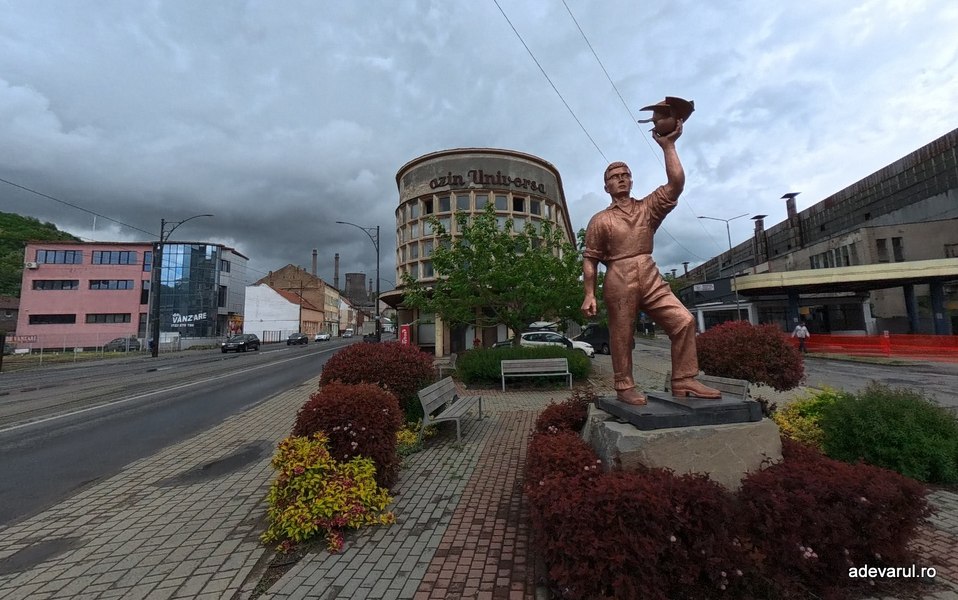
From 'Balkan Krupp' to ghost towns: How Caraș-Severin became one of Romania's most depopulated counties
Translated from Romanian, summarized and contextualized by DistantNews.
At a glance
News
Sources not specified
Context piece
- Caraș-Severin County in southwestern Romania has experienced a significant population decline, losing nearly 50,000 residents between 2011 and 2021.
- Once a major industrial hub known as the "Balkan Krupp," Reșița, the county seat, has seen its population shrink from over 100,000 to under 60,000 due to the closure of mines and factories.
- The industrial decline has led to widespread depopulation, leaving many villages and former industrial centers nearly deserted.
Caraș-Severin County, once a powerhouse of Romanian industry in the southwest, is now among the country's most depopulated regions. Decades of industrial decline, marked by the closure of mines and factories, have led to a dramatic exodus, leaving once-thriving communities nearly empty.
The county, bordered by the Danube River to the south, is home to fewer than 250,000 people. Between 2011 and 2021 alone, Caraș-Severin lost nearly 50,000 residents, a trend that has continued, according to the National Institute of Statistics. This demographic collapse has transformed picturesque villages along the Danube and the county capital, Reșița, into shadows of their former selves.
Reșița, historically dubbed the "Balkan Krupp" for its extensive steel and machinery industries, once boasted over 100,000 inhabitants in the early 1990s. At its peak, nearly 40,000 residents worked in heavy industry, with major enterprises like the Reșița Machine Building Enterprise and the Reșița Metallurgical Combine employing thousands. The city, built around furnaces dating back to the late 18th century, expanded significantly in the mid-20th century, but the foundations of its industrial might began to crumble even before the fall of communism.
Ioan, a former factory worker, vividly recalls the bustling atmosphere of Reșița in the past, with thousands of workers commuting daily and constant activity around the furnaces, oxygen plants, and transport systems. He remembers plans under the Ceaușescu regime to demolish homes for new coke batteries, a project that never materialized. Today, only a fraction of the steelworks remains operational. Post-1990 restructurings, privatizations, and mass layoffs decimated Reșița's industrial base. Many plants closed, eliminating thousands of jobs and accelerating the city's depopulation. Currently, Reșița has fewer than 60,000 residents, with remaining major employers like UCMH Reșița and Artrom Steel Tubes collectively employing just over a thousand people.
Era o atmosferă de nedescris aici. Mii de oameni treceau zilnic prin fața casei mele, coborând din autobuzele de navetiști la cele două furnale ale Reșiței. Nenumăratele vagoane și funicularele transportau aici minereu, cocs și calcar, mai sus funcționa o uzină de oxigen, din care s-a păstrat o mică parte în activitate. Erau conducte, scări, poduri, tuneluri, oameni peste tot.
DistantNews Editorial
Originally published by Adevărul in Romanian. Translated, summarized, and contextualized by our editorial team with added local perspective. Read our editorial standards.
More Stories
From Our Blog

What Gets Lost (and Found) When News Is Translated

The Critical Role of Diaspora Media in Global News

What Travellers Should Know About Countries with Restricted Press

A Digital Nomad's Guide to Following Local News

How the Same Story Looks Different in Different Countries
