

From burnout to proving they can: Who chose 10 days of constructive stress on Via Transilvanica
Translated from Romanian and summarized by DistantNews. Read the original for the full story.
At a glance
In-depth
Named sources
Ongoing story
- MedLife has published initial observations from an observational study involving people who chose to walk on Via Transilvanica for at least 10 days.
- Organizers reached their initial registration target within 24 hours and expanded participation to 200 places, with about 70 people meeting the study criteria.
- Early interviews identified six participant profiles, many seeking a break from demanding routines, professional overload, isolation or difficult life transitions.
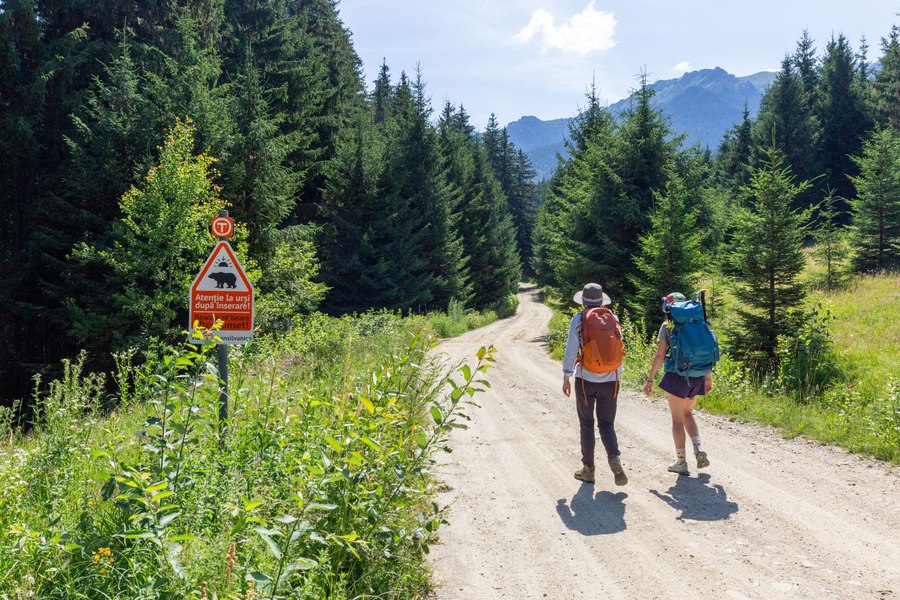
For many people taking part in MedLife’s Via Transilvanica study, the decision to walk for at least 10 days had less to do with adventure than with escaping an oppressive routine, professional overload, isolation or a difficult stage of life.
Interest exceeded the organizers’ expectations. The initial registration target filled within 24 hours, and the number of places increased to 200. About 70 registered participants met the study criteria and had begun, or were preparing to begin, the experience.
The first qualitative interviews point to six participant profiles, connected by a shared choice to step outside their normal rhythm and face a personal challenge. People with crowded lives and many responsibilities described the route as a temporary simplification of priorities, leaving walking, effort, nature and the next destination in focus.
For others, the route offers a different kind of social contact. Participants whose daily lives are busy and highly connected can find more natural interactions and conversations that move beyond professional settings and functional relationships.
Some began during major transitions, including separation, divorce, retirement or the end of a professional chapter. Rather than avoiding further effort, they chose a clear goal with defined stages. Others wanted to confirm that they could carry an objective through to completion, while some were curious to see how their bodies and well-being would respond to a setting far removed from everyday life.
About this summary
Originally published by Adevărul in Romanian. Translated, summarized, and contextualized automatically by DistantNews, with a note on how the source frames the story. Not individually reviewed before publishing. How this works.
More Stories



From Our Blog

What Gets Lost (and Found) When News Is Translated

The Critical Role of Diaspora Media in Global News

What Travellers Should Know About Countries with Restricted Press

A Digital Nomad's Guide to Following Local News

How the Same Story Looks Different in Different Countries
