

From Castles to Eagle's Nest: Bavaria's Dreams and Darknesses
Translated from Turkish, summarized and contextualized by DistantNews.
At a glance
In-depth
Sources not specified
Context piece
- King Ludwig II of Bavaria spent millions on the fairytale-like Neuschwanstein Castle, a blend of palace and castle.
- The eccentric king lived in a world of his own creation, preferring solitude and leaving behind significant debts upon his death.
- Several of his opulent palaces, including Neuschwanstein and Herrenchiemsee, are recognized as UNESCO World Heritage sites.
Nestled amidst the Bavarian Alps, Neuschwanstein Castle stands as a testament to the eccentric vision of King Ludwig II of Bavaria. This fairytale structure, a unique fusion of palace and castle, was the "work" of a king who poured millions of marks and the nation's resources into its creation. With its nearly 200 rooms, it appears almost unreal, a dream world built for a monarch often labeled "mad" or "crazy."
Ludwig II, a reclusive and shy king, preferred to live within the walls of his self-created fantasy. He harbored a longing for a life of "glory and fame," seeking to immortalize himself within this medieval knight's castle. Neuschwanstein is often hailed as Europe's most beautiful castle-palace, a place where the king retreated from the world, finding solace in its opulent embrace. His life, however, ended mysteriously in the waters of Lake Starnberg in 1886, leaving behind a legacy of debt and unanswered questions about his death at the age of 41.
Beyond Neuschwanstein, Ludwig II's architectural ambitions extended to other magnificent structures. Herrenchiemsee Palace, inspired by Versailles and located on an island in Lake Chiemsee, boasts a grand hall and a lavish, gold-plated bedroom. Yet, the king spent only 10 days in this palace. He also planned a "Winter Palace" reminiscent of Beijing's Forbidden City near Plansee in Tyrol. Linderhof Palace, another favorite nestled in the Bavarian Alps, is renowned for its stunning mountain views and lavishly gilded rooms.
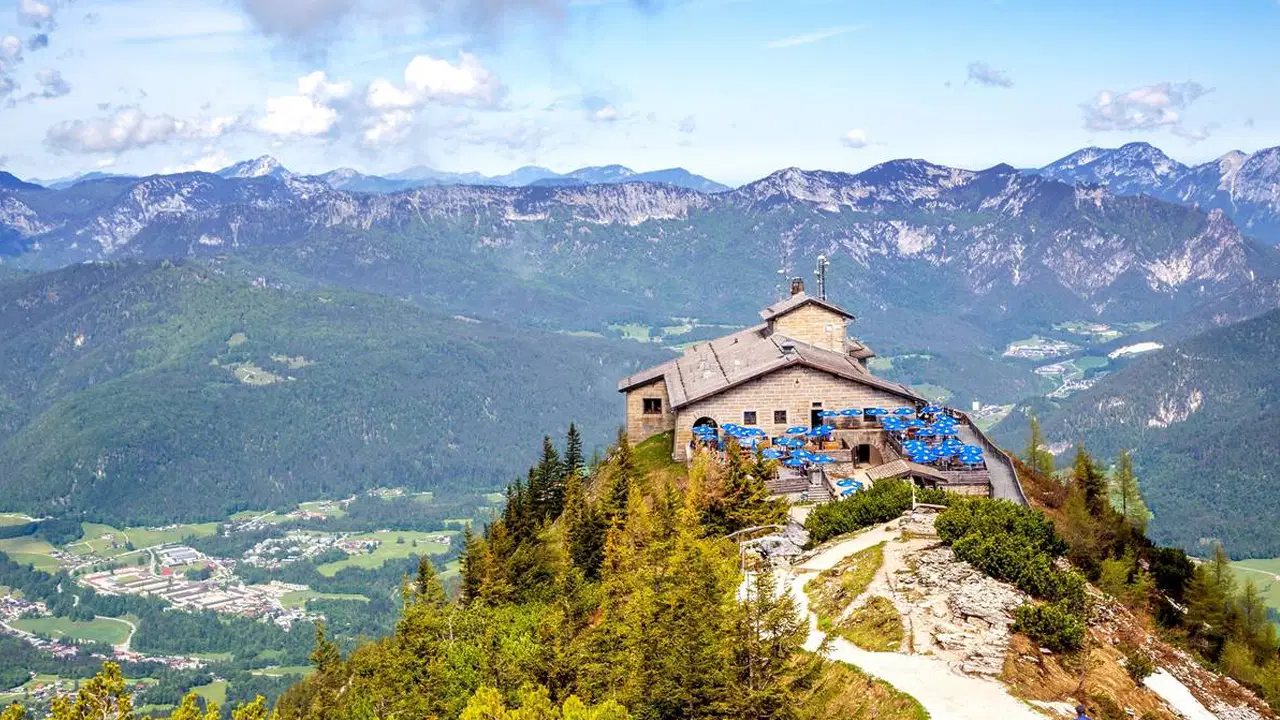
These architectural marvels, including Neuschwanstein, Herrenchiemsee, Linderhof, and the "King's House" on Schachen Mountain, have been recognized by UNESCO for their World Heritage value. However, the region also holds darker historical associations. Obersalzberg mountain, near the German-Austrian border, became infamous after 1933 when Hitler seized all structures there, threatening those who refused to sell their property with concentration camps.
DistantNews Editorial
Originally published by Cumhuriyet in Turkish. Translated, summarized, and contextualized by our editorial team with added local perspective. Read our editorial standards.
More Stories


From Our Blog

What Gets Lost (and Found) When News Is Translated

The Critical Role of Diaspora Media in Global News

What Travellers Should Know About Countries with Restricted Press

A Digital Nomad's Guide to Following Local News

How the Same Story Looks Different in Different Countries
