


From Cheese to Chardonnay: Career Changers Revitalize German Wine Industry Amid Crisis
Translated from German, summarized and contextualized by DistantNews.
At a glance
News
Sources not specified
Context piece
- The German wine industry is seeing an increase in career changers from diverse professional backgrounds, including cheesemaking, law, and medicine.
- These new entrants are drawn to the multifaceted nature of winemaking, from vineyard work to marketing.
- Despite the growing interest, the German wine sector faces challenges like rising costs, decreased consumption, and international competition.
The German wine industry is experiencing a notable influx of professionals transitioning from vastly different careers, including cheesemaking, law, and medicine. These individuals are seeking a more hands-on and versatile profession, finding appeal in the entire process of winemaking, from cultivating grapes to final marketing.
But at 40, my inner voice spoke up: there is also viticulture.
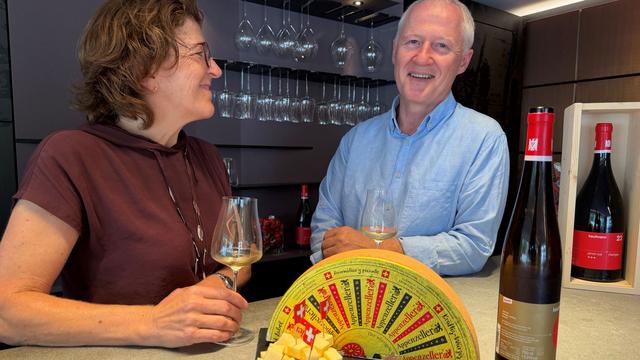
Urban Kaufmann, a former Swiss cheesemaker, and Florian Wecker, a lawyer from a long line of legal professionals, exemplify this trend. Kaufmann, after 14 years in cheesemaking, felt a calling to viticulture, inspired by his father's daily wine consumption and his own growing interest. Wecker, drawn by a magnetic pull to wine, pursued extensive international training in France and Portugal before establishing his own vineyard on the Mosel river.
Wine attracted me magnetically.
According to Ernst Büscher, a spokesperson for the German Wine Institute (DWI), this trend of career changers is noticeable, though official statistics are lacking. He also notes a significant rise in trainees who do not come from traditional winemaking families, with their proportion approaching 50%. Büscher describes winemaking as an attractive and versatile profession, offering control over all production steps and a blend of outdoor vineyard work and client-facing events.
All production steps in one hand.
However, the German wine sector is not without its challenges. The industry is grappling with a 'wine crisis,' characterized by escalating costs, reduced consumer demand, increased health consciousness, overproduction, and intense international competition, including US tariffs. These pressures have led to a slight decline in wine-related training enrollments, leaving the future trajectory of new entrants uncertain.
Mornings in the vineyard, evenings in high heels or a suit at a sales event.
DistantNews Editorial
Originally published by Die Zeit in German. Translated, summarized, and contextualized by our editorial team with added local perspective. Read our editorial standards.
More Stories



From Our Blog

What Gets Lost (and Found) When News Is Translated

How the Same Story Looks Different in Different Countries

The Critical Role of Diaspora Media in Global News

What Travellers Should Know About Countries with Restricted Press

A Digital Nomad's Guide to Following Local News
