


From Cows and Pigs to Fermentation Tanks: Microbial Protein Moves Toward Commercialization
Translated from Korean and summarized by DistantNews. Read the original for the full story.
At a glance
In-depth
Named sources
New plan
- A KAIST research team and startup SilicoBio analyzed the manufacturing, market and regulatory conditions needed to commercialize microbial foods.
- The researchers said producers must scale fermentation from laboratory flasks to factories with capacities of tens of thousands of liters while maintaining quality and cost efficiency.
- Consumers prioritize taste, texture and safety, while the global microbial fermentation technology market is projected to reach $62.34 billion by 2035.
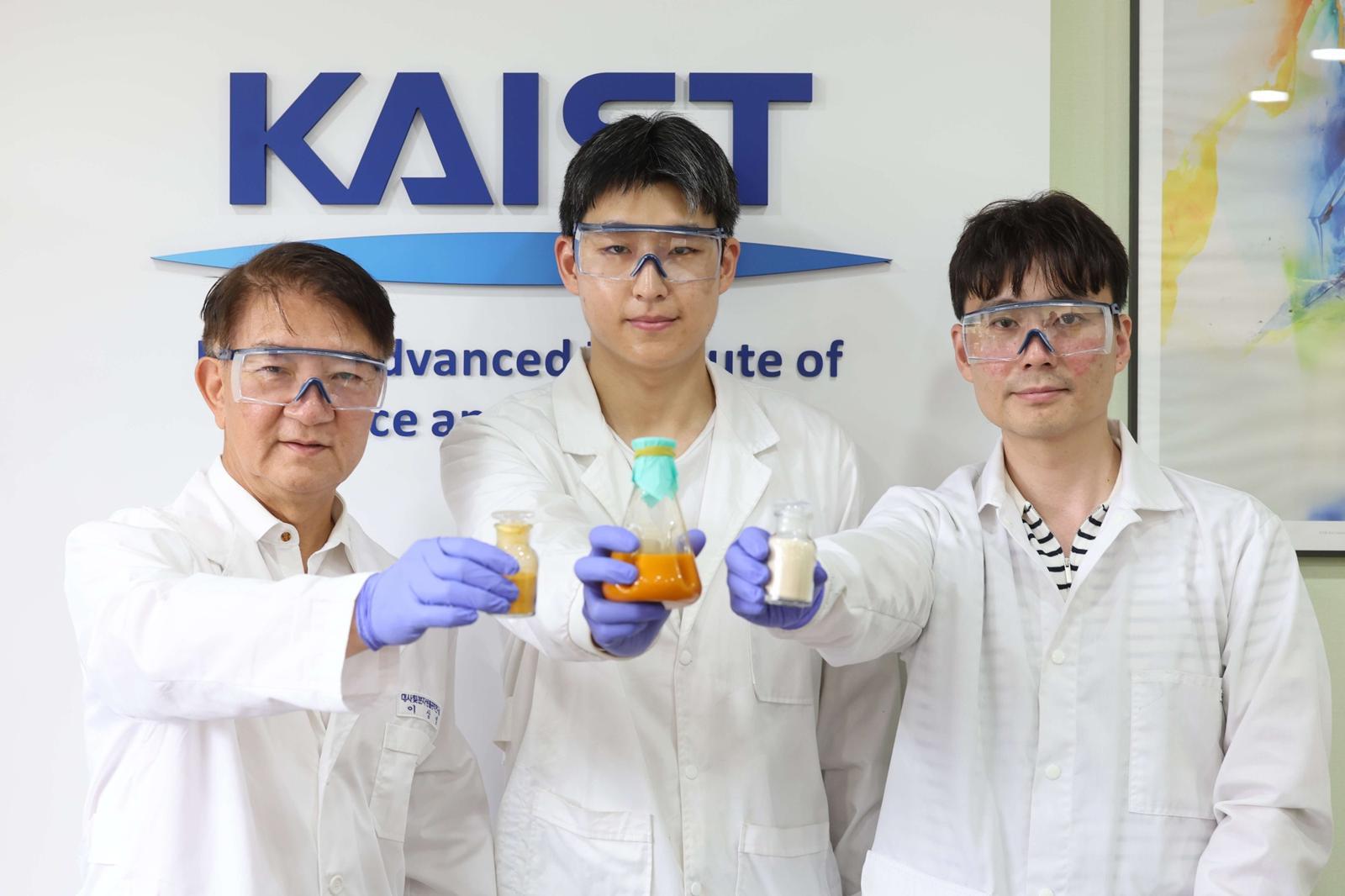
Protein made in fermentation tanks rather than from cattle or pigs is moving beyond the laboratory and toward commercial production, according to a joint study by KAIST and startup SilicoBio.
The research team, led by KAIST distinguished professor Lee Sang-yup, examined the conditions needed to industrialize microbial foods across manufacturing, markets and regulation. The study appeared in the international journal One Earth.
Microbial foods use microorganisms directly as food or use fermentation to produce protein and other food ingredients. They are viewed as a next-generation protein source because they require less land and water than livestock farming and generate fewer greenhouse-gas emissions.
The researchers identified manufacturing readiness as a decisive test. Fermentation methods developed in laboratory flasks must transfer to factory equipment holding tens of thousands of liters while preserving quality, economic viability and consistent output. They listed reliable raw-material supplies, strain development, large-scale process design and the ability to recycle byproducts as essential capabilities.
Commercial success will also depend on consumer and regulatory conditions. The study said consumers care more about taste, texture and safety than environmental benefits, while companies and investors value predictable approval procedures in each country. South Korea introduced the Food Tech Industry Promotion Act in December, creating an institutional basis for an alternative-protein industry ecosystem. Lee said global competitiveness would depend less on basic technology than on how quickly an ecosystem can connect research with production and markets.
Rather than the underlying technology, how quickly an industrialization ecosystem that connects it to actual production and markets can be built will determine global competitiveness.
About this summary
Originally published by Dong-A Ilbo in Korean. Translated, summarized, and contextualized automatically by DistantNews, with a note on how the source frames the story. Not individually reviewed before publishing. How this works.
More Stories



From Our Blog

What Gets Lost (and Found) When News Is Translated

The Critical Role of Diaspora Media in Global News

What Travellers Should Know About Countries with Restricted Press

A Digital Nomad's Guide to Following Local News

How the Same Story Looks Different in Different Countries
