


From diplomacy to dairy: Meet Emirati who helped make kefir more popular
Summarized and contextualized by DistantNews.
At a glance
In-depth
Sources not specified
Context piece
- Sultan Al Suwaidi, a former diplomat, turned his passion for kefir into a dairy business in the UAE.
- His farm produces buffalo and goat milk, kefir, cheeses, and eggs, but has not turned a profit due to high costs and low yields.
- Despite financial challenges, Al Suwaidi continues production, reflecting a growing popularity of kefir among UAE residents seeking health benefits.
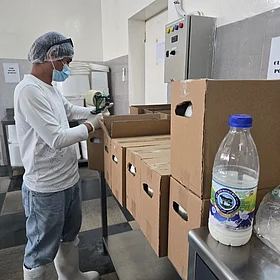
Sultan Al Suwaidi, who once served as the UAE's ambassador to Cyprus, now runs a dairy farm producing kefir, a fermented drink he discovered during his diplomatic service. What began as a personal endeavor to recreate the drink in 2010 has evolved into a business with two farms, producing buffalo and goat milk, kefir, cheeses, and free-range eggs.
Despite over a decade of operation, Al Suwaidi's Free Range Farm has not achieved profitability. Factors such as rising feed costs, the lower milk yield of buffalo compared to cows, and the expense of maintaining traditional production methods have kept profit margins slim. Yet, Al Suwaidi remains committed to the venture, driven by personal conviction rather than commercial ambition.
"I didn't start making kefir because it was fashionable, I started because I enjoyed drinking it,” Al Suwaidi said. “I never thought of it as a business. At first, it was purely for my own consumption. When production increased, I decided to start selling the surplus."
The popularity of kefir is growing in the UAE, with residents increasingly seeking it out for its digestive and gut-health benefits. Previously, obtaining authentic kefir often required making it at home or relying on imported options. Now, locally produced kefir is becoming more accessible, appearing in supermarkets alongside traditional dairy products like laban and yogurt. This shift reflects a broader trend of consumers embracing fermented foods for their health properties.
I didn't start making kefir because it was fashionable, I started because I enjoyed drinking it. I never thought of it as a business. At first, it was purely for my own consumption. When production increased, I decided to start selling the surplus.
DistantNews Editorial
Originally published by Khaleej Times. Summarized and contextualized by our editorial team with added local perspective. Read our editorial standards.
More Stories


From Our Blog

What Gets Lost (and Found) When News Is Translated

The Critical Role of Diaspora Media in Global News

What Travellers Should Know About Countries with Restricted Press

A Digital Nomad's Guide to Following Local News

How the Same Story Looks Different in Different Countries
