


From dumpsites to climate action: The untold story of Lagos’ waste pickers
Summarized and contextualized by DistantNews.
At a glance
In-depth
Named sources
Context piece
- Thousands of informal waste pickers in Lagos are contributing to the fight against plastic pollution and climate change.
- Driven by poverty and unemployment, these individuals collect recyclable plastics from dumpsites and streets for income.
- Despite harsh conditions and social stigma, their work helps prevent plastic from blocking drains and polluting waterways.
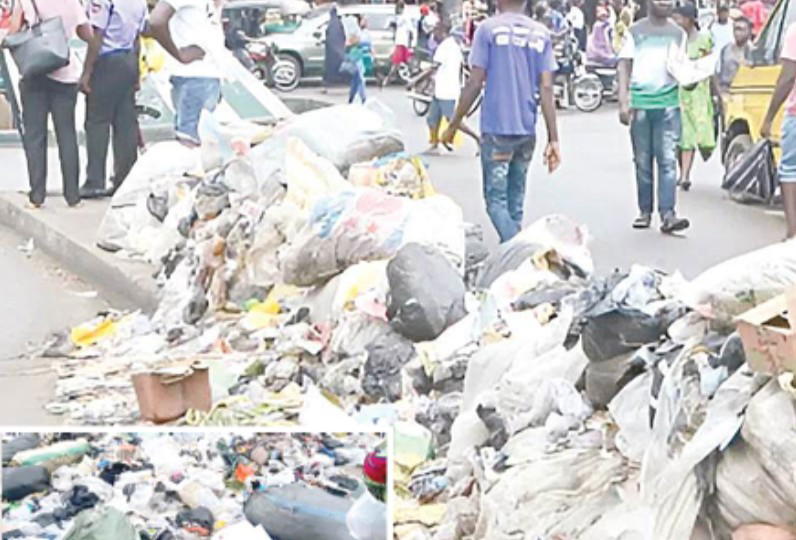
In Lagos, a city grappling with immense environmental challenges, thousands of informal waste pickers are playing an often-unseen role in combating plastic pollution and climate change. These individuals, largely driven by poverty and a lack of formal employment, navigate mountains of refuse daily, searching for discarded plastic bottles and sachet water nylons.
I don’t really understand climate change. But I know that when plastics block gutters, floods will come. And when floods come, poor people suffer first.
Abdulrafiu Sadiq, one of these waste pickers, begins his day before most of Lagos wakes up. Armed with a hooked iron rod and a worn sack, he sifts through refuse at dumpsites. The pervasive smell of decaying waste and swarms of flies are constant companions. Abdulrafiu's primary motivation is survival – the plastics he collects provide a meager income to feed his family. He may not fully grasp the complexities of climate change, but he understands its local consequences: "when plastics block gutters, floods will come. And when floods come, poor people suffer first."
It is very stressful. Many traders don’t allow us to pick plastics around their shops. Some people call us thieves, while others chase us away.
Jerry Samuel, another waste picker working in the bustling Oshodi district, shares similar struggles. Originally from Gombe State, Jerry holds a diploma in Management Studies but has found no paid employment. He collects recyclable plastics for a living, earning about N3,000 on a good day, an amount he describes as barely enough for basic needs. Beyond the physical toll of the work, Jerry faces social stigma, with traders often chasing him away and some people labeling him a thief.
What pushed me into this work is a lack of a job.
These waste pickers, though not engaged in environmental activism, are crucial allies in Lagos's environmental efforts. By recovering plastics that would otherwise end up blocking drainage channels, polluting rivers, or being burned and releasing greenhouse gases, they are making a tangible, albeit informal, contribution to mitigating plastic pollution and its impact on the climate. Their daily grind is a testament to resilience in the face of economic hardship and environmental degradation.
How is it sustainable? What I earn is hardly enough for breakfast, not to talk of lunch and dinner.
DistantNews Editorial
Originally published by The Punch. Summarized and contextualized by our editorial team with added local perspective. Read our editorial standards.
More Stories


From Our Blog

How the Same Story Looks Different in Different Countries

What Gets Lost (and Found) When News Is Translated

The Critical Role of Diaspora Media in Global News

What Travellers Should Know About Countries with Restricted Press

A Digital Nomad's Guide to Following Local News
