

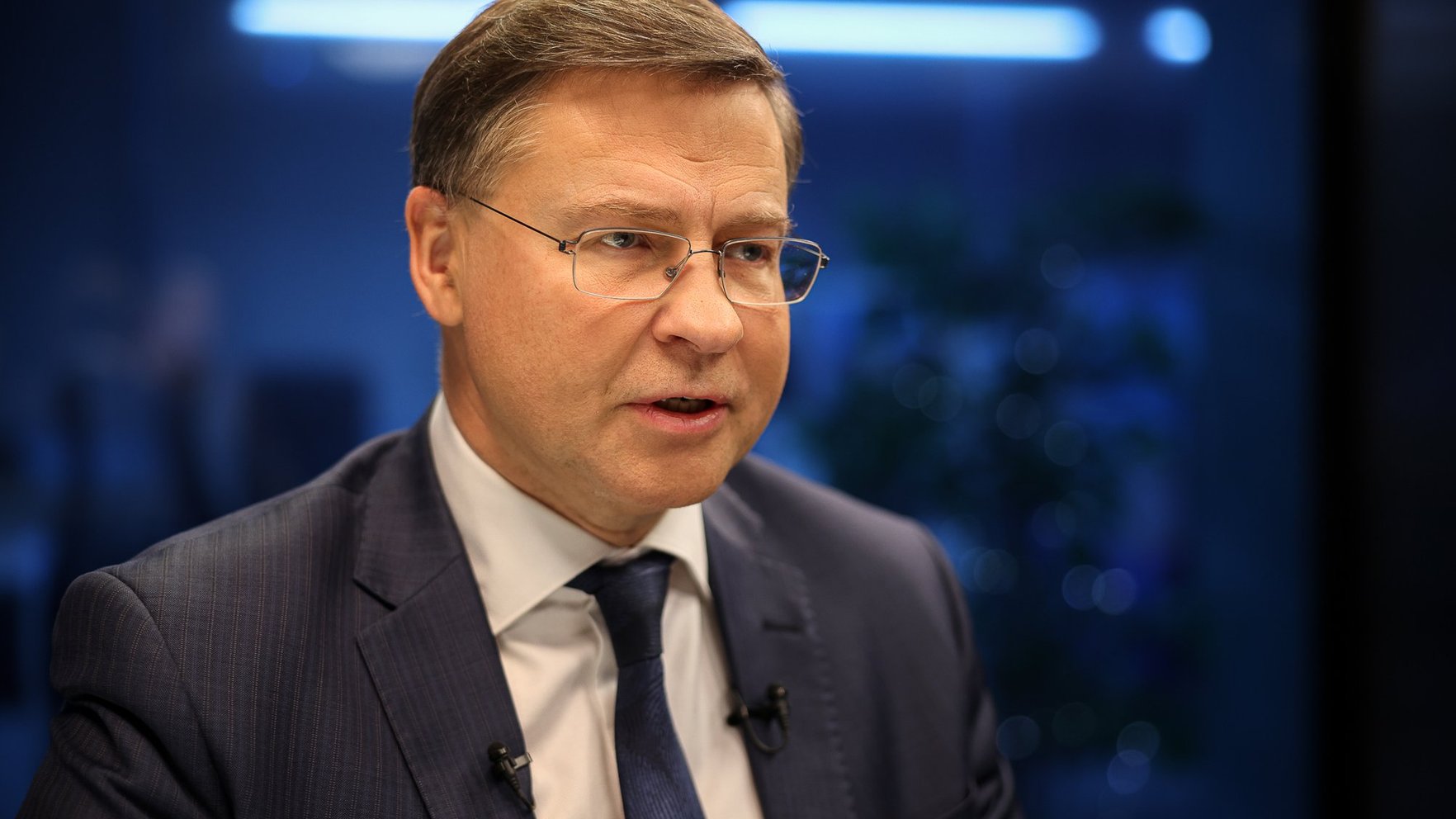

From envelope wages to fictitious deals: How Latvia evades taxes
Translated from Latvian and summarized by DistantNews. Read the original for the full story.
At a glance
Explainer
Named sources
Context piece
- Latvia’s shadow economy exceeds 20% and includes undeclared income, envelope wages, fictitious transactions and VAT fraud schemes.
- Tax and Customs Police chief Andrejs Grišins said organized crime is sometimes involved, offering businesses money-laundering services.
- Common practices include failing to register workers, reporting only part of salaries and formally employing Latvian workers through companies registered elsewhere in the European Union.
Fictitious transactions worth hundreds of thousands of euros, envelope wages and VAT fraud schemes worth millions remain part of Latvia’s shadow economy. Andrejs Grišins, head of the Tax and Customs Police, says organized crime is often involved as well, offering businesses ways to launder money.
Latvia’s shadow economy accounts for more than 20% of economic activity, with unpaid taxes making up a substantial share. The most common problem involves personal income tax. Business-related taxes follow, while VAT evasion ranks as the third most widespread form of non-compliance.
One familiar scheme involves hiring people without officially registering them as employees. In other cases, workers are formally employed but receive only part of their salaries through declared payrolls. The rest arrives in “envelopes,” allowing employers to avoid paying the full amount of tax.
Another scheme places a company in another European Union country while formally employing Latvian workers through that foreign entity. The foreign company then supplies the workers to Latvian businesses. Grišins said authorities can prove such arrangements and work closely with counterparts in other countries.
Cash is often needed to pay envelope wages, creating a connection with money laundering. The article presents the issue through questions about where the risks are greatest, how cash reaches employees, why cash-payment queues can be longer and how labor-leasing schemes operate. It also recalls the controversy nearly 20 years ago over former Latvian President Valdis Zatlers’ admission that he had accepted undeclared cash from patients as a “thank-you” while running a hospital. The episode initially appeared to signal a tougher fight against undeclared income, but the problem persisted.
Thank-you
About this summary
Originally published by Delfi Latvia in Latvian. Translated, summarized, and contextualized automatically by DistantNews, with a note on how the source frames the story. Not individually reviewed before publishing. How this works.
More Stories

From Our Blog

What Gets Lost (and Found) When News Is Translated

The Critical Role of Diaspora Media in Global News

What Travellers Should Know About Countries with Restricted Press

A Digital Nomad's Guide to Following Local News

How the Same Story Looks Different in Different Countries
