

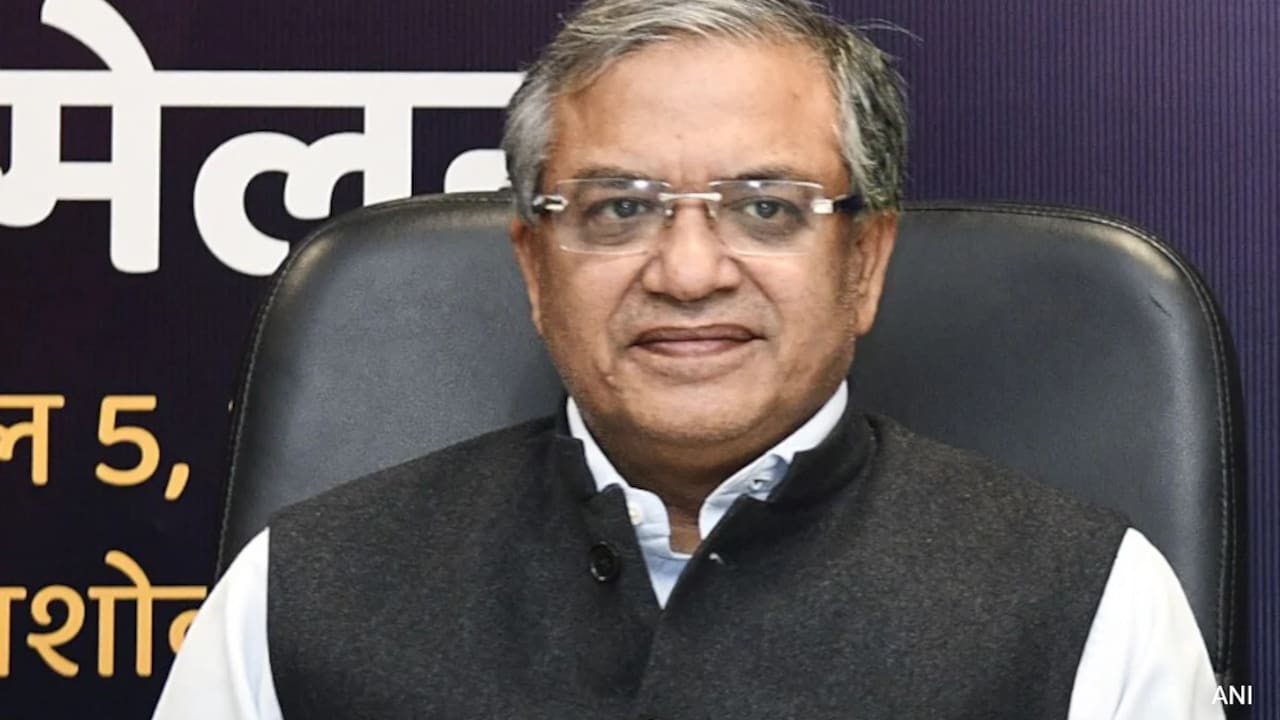
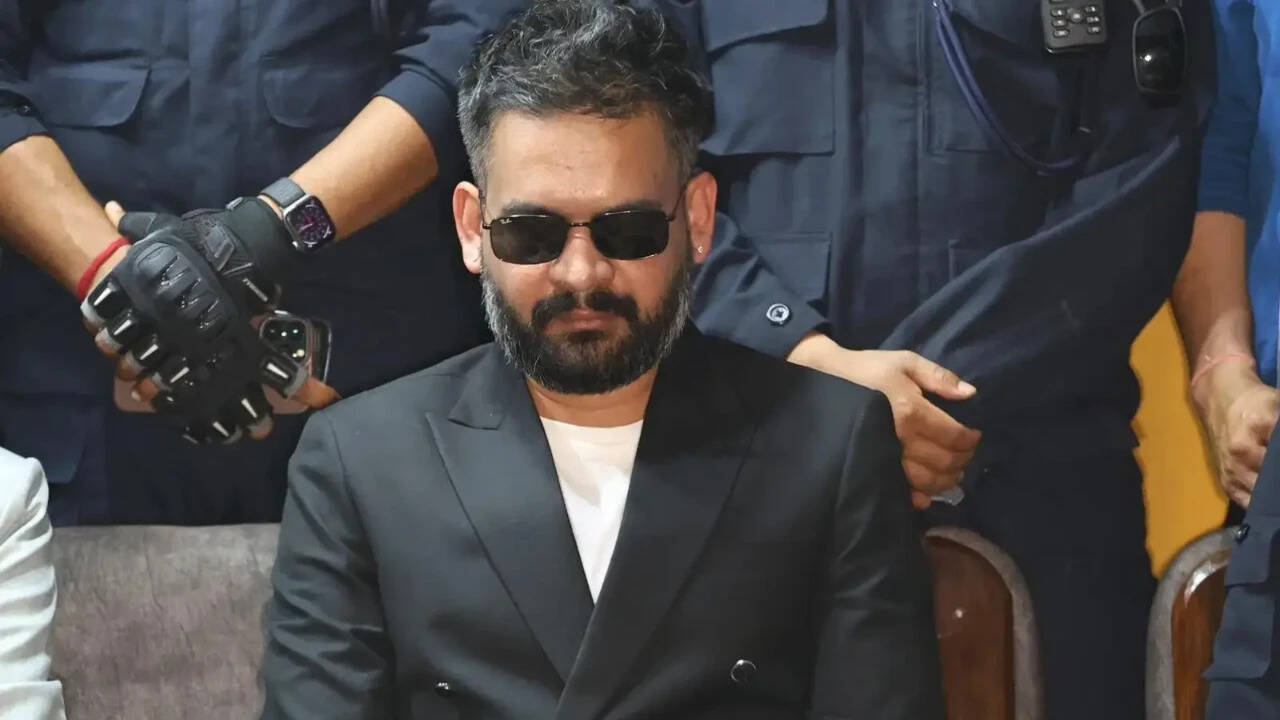
From Gen Z wave to street anger: Nepal PM Balen Shah faces protests, parliament pressure and party unease
Translated from English, summarized and contextualized by DistantNews.
At a glance
News
Sources not specified
Context piece
- Nepal's Prime Minister Balendra Shah faces mounting pressure from public protests, parliament, and his own party just 150 days into his term.
- Protesters demand his resignation over issues including municipal policing and informal settlements, fueled by a recent self-immolation incident.
- Shah is also criticized for his parliamentary absence, unilateral governing style, and handling of border disputes and communal clashes.
Nepal's Prime Minister Balendra Shah, who rode a wave of Gen Z support into office just 150 days ago, is now grappling with intense public anger, parliamentary scrutiny, and internal party dissent. The same street energy that propelled the former rapper to power now appears to be pinning him down.
Young protesters have returned to Kathmandu's Maitighar Mandala, demanding Shah's resignation. Their grievances include municipal policing, particularly after a ride-share driver self-immolated following a dispute over his vehicle. This incident intensified demonstrations and revived criticism of drives against informal settlements and landless squatters without adequate rehabilitation. Opposition lawmakers have also attacked Shah's repeated absences from parliament, where he attended only five of the first 39 sittings before being directed to appear and address lawmakers.
The political honeymoon began to fray within weeks of Shah taking office on March 27. Strict enforcement of customs rules on goods from India triggered protests in border towns. Shah also faced criticism over Nepal's border dispute with India after a statement he made drew the opposition's ire. Furthermore, violent communal clashes in southern Nepal added pressure, forcing Shah to address the nation after perceived delays in his response. Meanwhile, former Gorkha servicemen continue to demand a resolution for stalled recruitment into the Indian Army under the Agnipath scheme.
The strain has also spread within Shah's own Rastriya Swatantra Party (RSP). Lawmakers and senior leaders have questioned his detachment from party structures and his unilateral governing style. RSP MP Jagadish Kharel voiced this internal criticism in parliament, stating, "The government will not survive if only the dignity of the prime minister is preserved. Our dignity must also be preserved."
Govt will not survive if only the dignity of the PM is preserved. Our dignity must also be preserved.
DistantNews Editorial
Originally published by Times of India in English. Translated, summarized, and contextualized by our editorial team with added local perspective. Read our editorial standards.
More Stories

From Our Blog

What Press Freedom Means for the News You Read

What Gets Lost (and Found) When News Is Translated

The Critical Role of Diaspora Media in Global News

What Travellers Should Know About Countries with Restricted Press

A Digital Nomad's Guide to Following Local News
