


From glaciers to the sea: what the Dushanbe water conference will be remembered for
Summarized and contextualized by DistantNews.
At a glance
News
Sources not specified
Outcome reported
- Tajikistan hosted the Fourth High-Level International Conference on the International Decade for Action “Water for Sustainable Development, 2018–2028” in Dushanbe.
- The conference brought together over 150 speakers to discuss practical solutions for water access, energy security, and climate resilience.
- Key outcomes included proposals for a "Dushanbe Framework Program" and a new international water resources award, with participants also visiting the Roghun hydropower plant.
Tajikistan has once again asserted its position as Central Asia's "water tower" and a significant contributor to the global environmental agenda. With approximately 60% of the region's water resources originating within its borders, the nation is acutely vulnerable to the impacts of climate change, particularly glacier melt, which is a present reality with profound consequences.
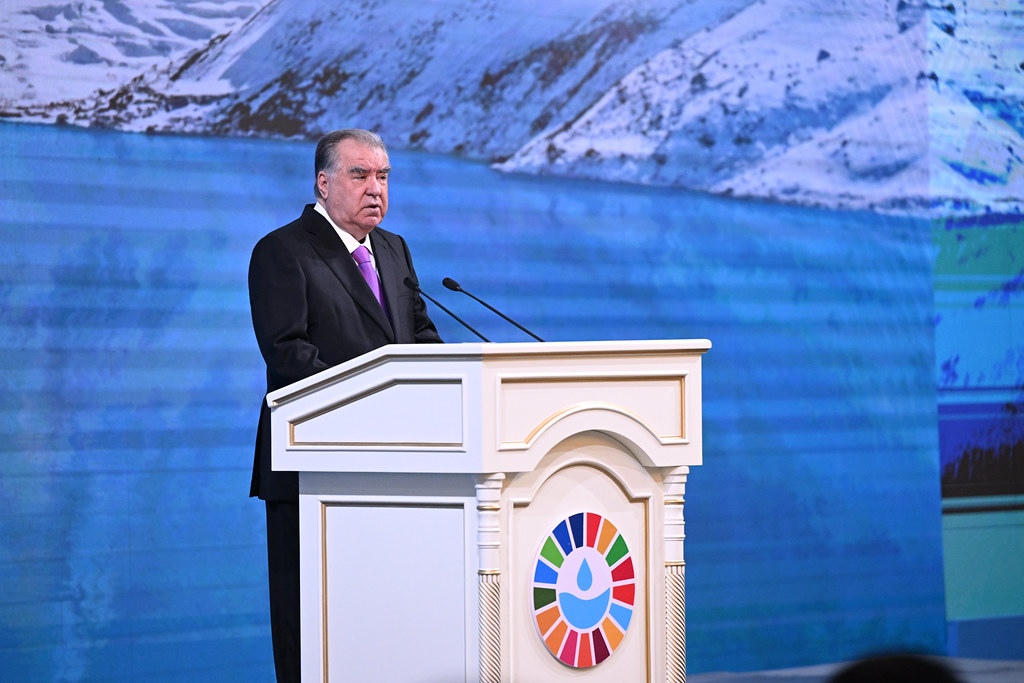
Ensuring access to safe drinking water remains a critical challenge for Tajikistan's sustainable development. The recent Fourth High-Level International Conference on the International Decade for Action “Water for Sustainable Development, 2018–2028” transformed Dushanbe into a global hub for dialogue and action on water-related issues.
The conference convened over 150 speakers from across the globe to explore the translation of ambitious commitments into tangible solutions. Discussions focused on expanding access to clean water, bolstering energy security, and enhancing climate resilience. Among the significant outcomes were proposals to establish a "Dushanbe Framework Program" and introduce a new international award dedicated to water resources.
Participants also had the opportunity to visit the Roghun hydropower plant (HPP), a monumental infrastructure project symbolizing Tajikistan's aspirations in water and energy management. The event underscored the nation's commitment to addressing global water challenges and its pivotal role in regional water security.
DistantNews Editorial
Originally published by Asia-Plus. Summarized and contextualized by our editorial team with added local perspective. Read our editorial standards.
More Stories

From Our Blog

What Gets Lost (and Found) When News Is Translated

The Critical Role of Diaspora Media in Global News

What Travellers Should Know About Countries with Restricted Press

A Digital Nomad's Guide to Following Local News

How the Same Story Looks Different in Different Countries
