


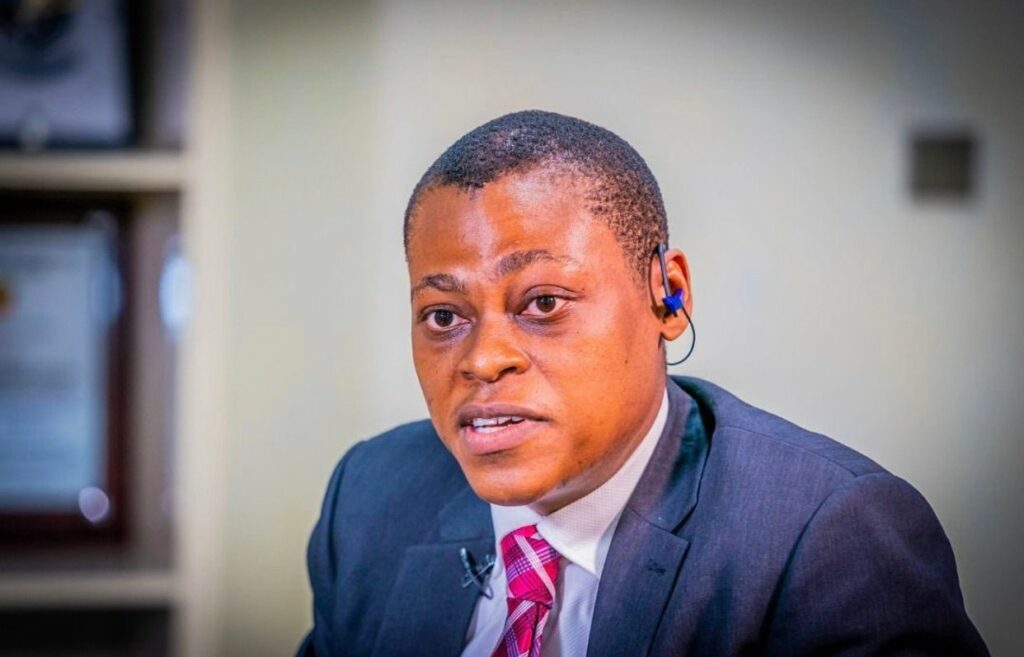
From lender to borrower: Rufai Oseni weeps over Nigeria's economic decline
Translated from English, summarized and contextualized by DistantNews.
At a glance
News
Named sources
Context piece
- Nigerian television host Rufai Oseni became emotional discussing the country's shift from a global lender to a persistent borrower.
- Oseni cited historical records showing Nigeria once provided significant financial resources to the World Bank and IMF.
- His lament highlights growing public concern over Nigeria's rising national debt and its current fiscal reality.
Popular Nigerian television host Rufai Oseni broke down in tears on Friday, expressing deep emotion over Nigeria's dramatic transformation from a nation that once financed global development institutions to one now ensnared in chronic borrowing.
During the Arise Television Morning Show, Oseni traced Nigeria's fiscal journey, presenting historical evidence of its past financial strength. "I cried for Nigeria this morning. Let me read something to you and show why I sometimes raise my voice about this country," he said, his voice thick with emotion.
I cried for Nigeria this morning. Let me read something to you and show why I sometimes raise my voice about this country.
Oseni recalled that on December 24, 1974, Nigeria signed a long-term borrowing agreement with the World Bank, under which it provided $240 million in net resources to the World Bank Reserve. "We were lending money to the World Bank to support development in other countries. We also lent $120 million to the International Monetary Fund IMF. What happened to this country?" he asked.
On December 24, 1974, Nigeria signed a long-term borrowing agreement with the World Bank. Under that agreement, Nigeria provided $240 million in net resources to the World Bank Reserve.
His tearful question underscored the stark contrast between Nigeria's past role as a global financier and its present status as a persistent borrower, dependent on the very institutions it once supported. Oseni's emotional display comes amid widespread concern over the Federal Government's continuous borrowing and the nation's escalating debt profile.
The host's poignant question, "What happened to this country?" resonated deeply, echoing the sentiments of many Nigerians who have long felt the nation's decline but rarely heard it articulated so starkly on national television.
We were lending money to the World Bank to support development in other countries. We also lent $120 million to the International Monetary Fund IMF. What happened to this country?
DistantNews Editorial
Originally published by Vanguard in English. Translated, summarized, and contextualized by our editorial team with added local perspective. Read our editorial standards.
More Stories


From Our Blog

How the Same Story Looks Different in Different Countries

What Gets Lost (and Found) When News Is Translated

The Critical Role of Diaspora Media in Global News

What Travellers Should Know About Countries with Restricted Press

A Digital Nomad's Guide to Following Local News
