


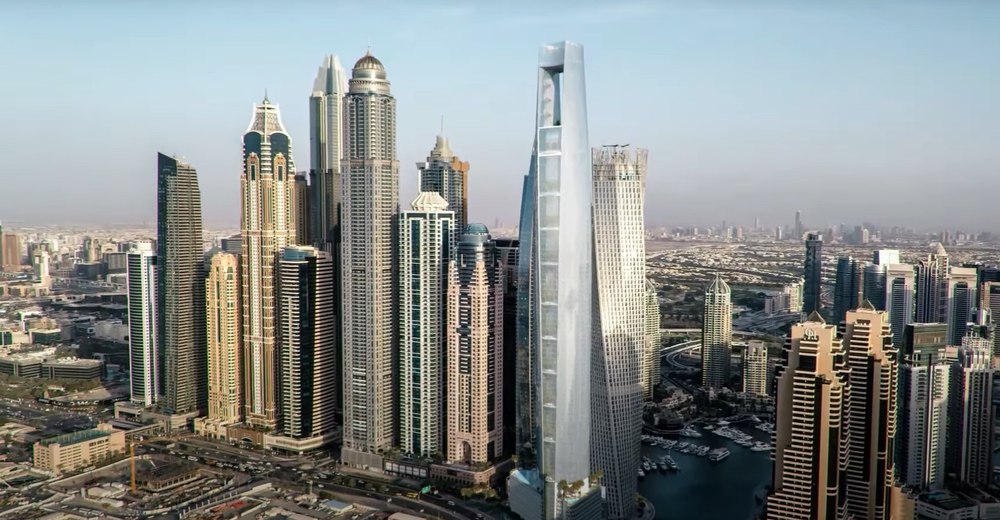
From opulence to survival: How Dubai is trying to rebuild its mirage after the war with Iran
Translated from Romanian, summarized and contextualized by DistantNews.
At a glance
News
From a news agency
Context piece
- Dubai's Jebel Ali port, once a global economic hub, has seen a drastic drop in container traffic from 40,000 daily to just 1,000 following the conflict with Iran.
- The emirate, which built its prosperity on being a safe haven, is now facing a long and difficult reconstruction period as it tries to regain investor and tourist confidence.
- The conflict has caused an exodus of expatriates and significantly impacted the real estate and tourism sectors, with hotel occupancy rates plummeting and property transactions initially dropping by 80%.
Dubai, an emirate that transformed itself from a modest settlement into a global economic powerhouse largely through the bustling Jebel Ali port, is now grappling with the fallout of the conflict with Iran. Before the hostilities, the port handled 40,000 maritime containers daily; today, that number has plummeted to a mere 1,000, leaving its vast docks nearly deserted.
Authorities are striving to restore pre-war traffic levels, but official estimates suggest normalization will take at least a month, according to The Wall Street Journal. This situation at the port mirrors the broader reality across Dubai, which unexpectedly found itself on the front lines. As drone and missile attacks ceased and U.S.-Iran negotiations for a permanent ceasefire progressed, the emirate embarked on a reconstruction phase that regional analysts predict will be protracted and challenging.
I panicked. I thought everything was over for Dubai.
Dubai's spectacular rise was predicated on offering an oasis of stability in a volatile region, attracting a 90% expatriate population with its luxurious lifestyle and low taxes. The recent conflict, however, shattered this perception of geopolitical immunity. Ria Karapataki, a Cypriot who had lived and worked in Dubai for 15 years, described her panic and decision to leave, fearing "everything was over for Dubai."
While many expatriates have returned since the April ceasefire, the conflict's repercussions are still evident. Hotel occupancy rates have fallen sharply, well below typical off-season levels. The real estate market experienced an initial 80% drop in transactions, particularly affecting off-plan sales due to the absence of European tourists. Some major investors have withdrawn capital, slowing commercial activity, and property prices have seen declines of 10% to 15%, creating opportunities for buyers from India, Russia, and China, as well as for local purchasers seeking bargains.
People are waiting to see if this peace will last. We still expect volatility.
DistantNews Editorial
Originally published by Adevărul in Romanian. Translated, summarized, and contextualized by our editorial team with added local perspective. Read our editorial standards.
More Stories
The trap behind the new minimum wage from July 1. Economics professor: 'It is almost a certainty wha…

AI Reshapes Job Market: Employers Seek Critical Thinking, Decision-Making Even for Entry-Level Roles

Humiliating prices in the land of vegetables: 5 lei for a 25kg sack of cucumbers. Olt farmers are de…
From Our Blog

What Gets Lost (and Found) When News Is Translated

The Critical Role of Diaspora Media in Global News

What Travellers Should Know About Countries with Restricted Press

A Digital Nomad's Guide to Following Local News

How the Same Story Looks Different in Different Countries
