


From punchline to plotline: Menopause is finally having its pop culture moment
Summarized and contextualized by DistantNews.
At a glance
In-depth
Sources not specified
Context piece
- Menopause is increasingly being depicted and discussed in popular culture, moving beyond outdated stereotypes.
- Celebrities and recent TV shows and films are openly addressing the topic, raising awareness among wider audiences.
- This cultural shift reflects a growing mainstream conversation about women's midlife health and experiences.
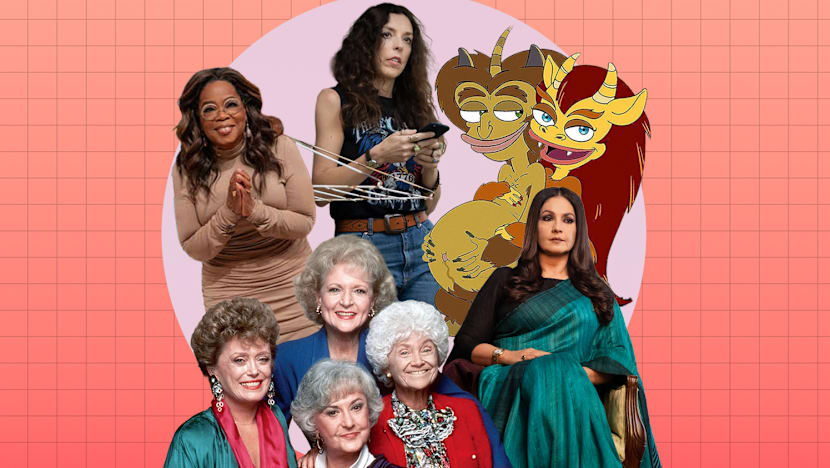
Menopause is shedding its long-held stigma and emerging as a prominent theme in pop culture, marking a significant shift from its previous portrayal as a source of crankiness or a "lady parts problem." Historically, shows like "That '70s Show" depicted menopause with dismissive and negative language, while "The Golden Girls" approached it primarily for comedic effect rather than awareness.
that horrible thing that’s taken over your mother
Recent years have seen a surge in open conversations, fueled by celebrities like Naomi Watts, Halle Berry, and Oprah Winfrey sharing their personal experiences. Documentaries such as "The M Factor: Shredding The Silence On Menopause" (2024) explore its impact on careers and highlight gaps in medical education. Furthermore, menopause is now woven into narratives of shows not solely focused on the life stage, reaching diverse audiences.
Notable examples include Kristin Scott Thomas's viral monologue in the British comedy-drama "Fleabag" (2019), where she described menopause as "horrendous" yet "magnificent." The animated series "Big Mouth" introduced the "Menopause Banshee" character. More recently, British TV series like "The Change" (2023) and "Riot Women" (2025) center on women navigating menopause, addressing symptoms like hot flushes and unexpected periods. Apple TV's "Your Friends & Neighbours" incorporated menopause into its second season, with actress Amanda Peet praising its inclusion.
horrendous
Beyond the screen, the cultural conversation continues. English singer Sophie Ellis-Bextor's 2025 album "Perimenopop" playfully acknowledges her life stage. These cultural touchstones collectively contribute to a broader mainstream understanding and acceptance of menopause, moving it from a taboo subject to a recognized aspect of women's lives.
the change is coming
DistantNews Editorial
Originally published by CNA. Summarized and contextualized by our editorial team with added local perspective. Read our editorial standards.
More Stories


From Our Blog

What Gets Lost (and Found) When News Is Translated

The Critical Role of Diaspora Media in Global News

What Travellers Should Know About Countries with Restricted Press

A Digital Nomad's Guide to Following Local News

How the Same Story Looks Different in Different Countries
