


Singapore to Expand Dialect Content on Paid Media, Maintain Mandarin Focus
Translated from English, summarized and contextualized by DistantNews.
At a glance
News
Named sources
New plan
- Singapore's Prime Minister Lawrence Wong announced plans to allow more dialect content on paid television and in cinemas.
- While Mandarin will remain dominant in free-to-air broadcasts, restrictions on dialect films and music will be eased starting September.
- This move aims to preserve dialects as cultural heritage while continuing to promote Mandarin's role as a unifying language.
Singapore is set to relax restrictions on dialect content, allowing for greater use of local dialects on paid television and in cinemas, Prime Minister Lawrence Wong announced. While Mandarin will continue to be the primary language for free-to-air broadcasts, the government will ease curbs on dialect films and music channels, with new guidelines taking effect in September.
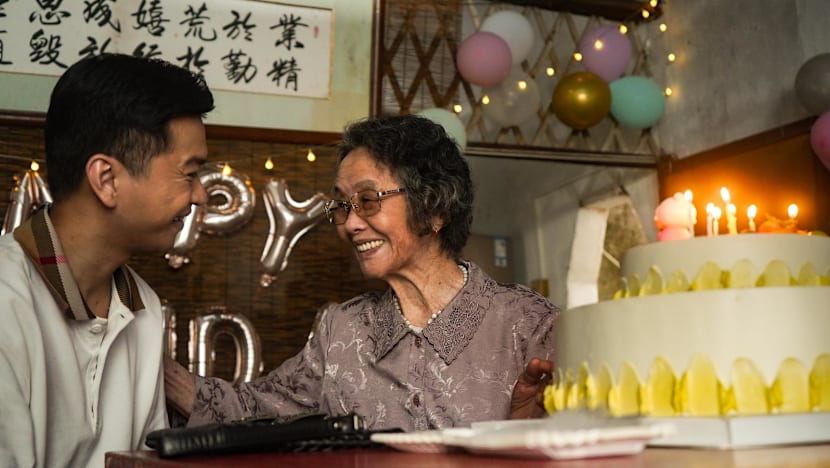
Under the updated regulations, the cap on the number of dialect film screenings will be removed, provided a Mandarin-dubbed version is also available. Similarly, restrictions on subscription TV services, including limits on dialect arthouse films and the proportion of dialect songs on music channels, will be lifted. This policy shift comes after the film 'Dear You,' which features the Teochew dialect, faced initial screening limitations before wider approval.
Many see dialects as a cultural heritage worth preserving. I agree.
Prime Minister Wong acknowledged the value of dialects as cultural heritage, stating, "Many see dialects as a cultural heritage worth preserving. I agree." However, he emphasized the importance of protecting the "hard-won gains" of the Speak Mandarin Campaign, launched in 1979. This campaign successfully established Mandarin as a common language among Chinese Singaporeans, fostering bilingualism and connecting the nation with global Chinese communities.
The government's approach seeks a balance: encouraging the preservation of diverse dialects while reinforcing Mandarin's foundational role in Singapore's society and its bilingual education policy. Wong noted the significant shift from decades ago when dialects were widely spoken at home, contrasting it with the current situation where most Chinese Singaporeans are proficient in Mandarin but may speak dialects less frequently. The initiative reflects a nuanced strategy to embrace cultural diversity within a framework of national unity and linguistic cohesion.
Back then, the Speak Mandarin Campaign urged Chinese Singaporeans to ‘Speak more Mandarin and less dialects.’ The situation today is very different.
DistantNews Editorial
Originally published by CNA in English. Translated, summarized, and contextualized by our editorial team with added local perspective. Read our editorial standards.
More Stories


From Our Blog

What Gets Lost (and Found) When News Is Translated

The Critical Role of Diaspora Media in Global News

What Travellers Should Know About Countries with Restricted Press

A Digital Nomad's Guide to Following Local News

How the Same Story Looks Different in Different Countries
