


From Rural Activist to Minister After Election Defeat, Dog Tax Proposal, and Defamation Case
Translated from Hungarian, summarized and contextualized by DistantNews.
TLDR
- Viktória Lőrincz, elected parliamentary representative for Kaposvár, has been appointed Minister of Territorial and Rural Development in Hungary's new Tisza government.
- Lőrincz previously served on the local council and gained prominence as a rural face for the Tisza Party, despite earlier electoral setbacks and controversies.
- Her appointment follows a period of political campaigning, including criticism of local development projects and a past defamation case.
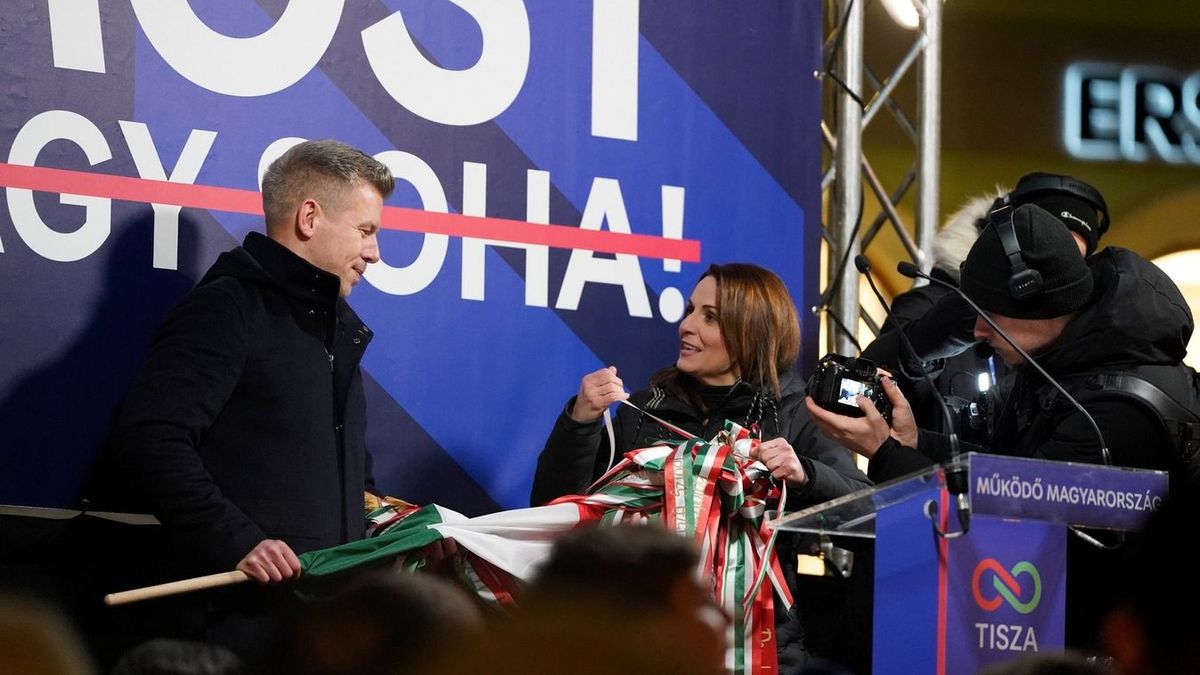
In a significant move within Hungary's evolving political landscape, Viktória Lőrincz, the newly elected parliamentary representative for Kaposvár and its region, has been appointed as the Minister of Territorial and Rural Development in the forthcoming Tisza government. Prime Minister-designate Péter Magyar highlighted Lőrincz's victory in the Somogy 01 electoral district and praised her as a relentless, knowledgeable, humane, and diligent patriot. Her prior experience in local government and legal matters is expected to be invaluable in leading this crucial ministry.
Lőrincz's journey to national prominence is a compelling narrative. While largely unknown nationally before 2024, she ran as an independent candidate for mayor in Kadarkút. Despite a strong campaign, including a video series, she ultimately lost to the Fidesz–KDNP candidate. However, she remained active in local politics, serving on the Kadarkút municipal council and as a member of its Financial and Economic Committee. This local engagement laid the groundwork for her emergence as a prominent rural figure for the Tisza Party.
Her local political career has not been without its challenges. Records indicate Lőrincz frequently clashed with the municipal administration, raising concerns about data protection agreements, insurance expenses, and public procurement processes. These disputes even led to legal action, including a 2021 defamation case where she was reprimanded by the court for a Facebook post. While this did not result in a criminal record, it significantly shaped her local standing. Critics aligned with Fidesz accused her of a deliberate political campaign against the town's administration, while Lőrincz maintained she was merely demanding transparency in the use of public funds.
Lőrincz also gained attention for her proposal to introduce a "dog tax" in Kadarkút to cover the costs of stray animal care, a suggestion that was promptly rejected by the town leadership. Her national profile grew further when she sharply criticized Kaposvár's development projects, including the theater renovation, arena, swimming complex, and highway expansion, labeling the city a "showcase town." She questioned the maintenance costs of sports facilities and criticized the state of local education and even a food industry investment. From a Hungarian perspective, Lőrincz's appointment signifies a potential shift in focus towards rural development and a challenge to established political norms. Her background, marked by both local activism and electoral battles, offers a unique viewpoint that may resonate with voters outside the traditional political centers. The international media might focus solely on the national political shifts, but for Hungarians, the story of Lőrincz represents a grassroots figure rising through local struggles to a position of national influence, embodying a different kind of political ascent.
DistantNews Editorial
Originally published by Magyar Nemzet in Hungarian. Translated, summarized, and contextualized by our editorial team with added local perspective. Read our editorial standards.
More Stories



From Our Blog

Countries Without a Free Press: What You Need to Know

What Press Freedom Means for the News You Read

What Gets Lost (and Found) When News Is Translated

The Critical Role of Diaspora Media in Global News

What Travellers Should Know About Countries with Restricted Press
