

Frost Hit Last Year, This Year Yields Abundance
Translated from Turkish, summarized and contextualized by DistantNews.
At a glance
News
Named sources
Context piece
- Farmers in Kuruçay Village, Ankara, Turkey, are harvesting summer pears, expecting a yield of 150-200 tons.
- The harvest follows a season of frost damage last year, which affected fruit development this year, resulting in smaller pears.
- Despite smaller sizes, the season is considered good, with pears being sent to major cities like Ankara and Istanbul.
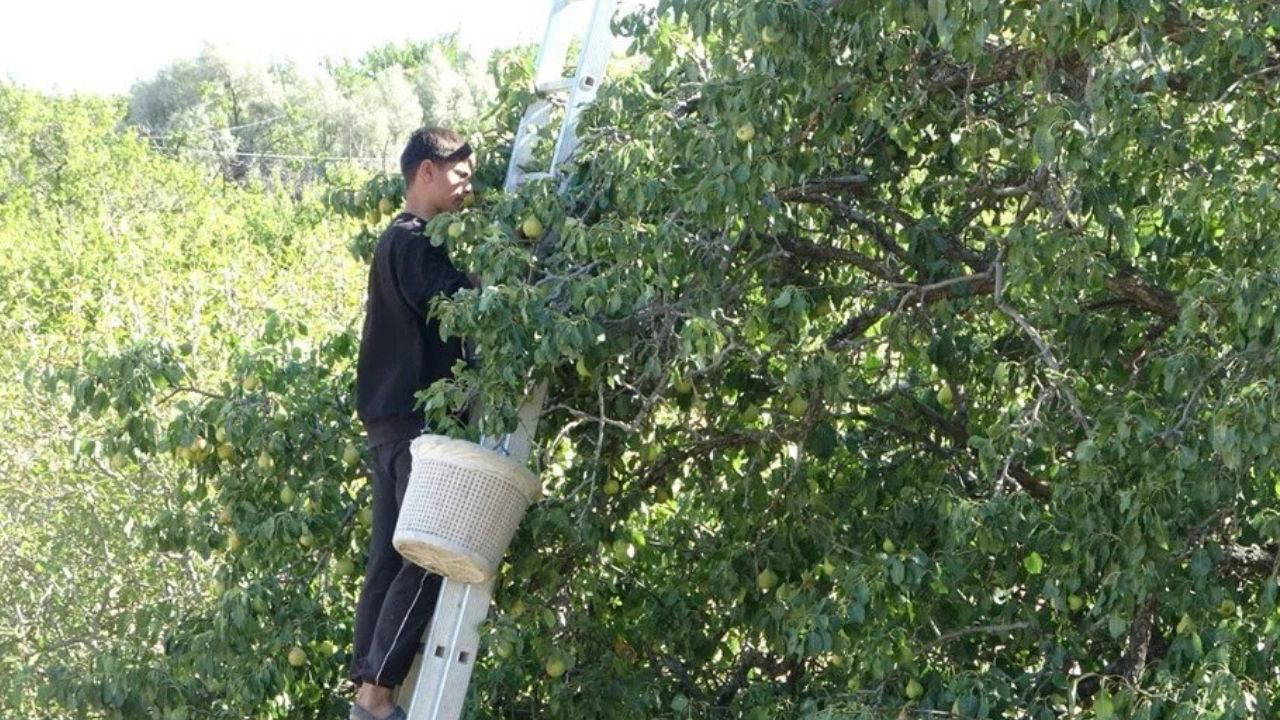
Summer pear harvesting has begun in Kuruçay Village, located in the Çubuk district of Ankara, Turkey. The village, formerly known as 'Uluçay,' has seen its water sources diminish over time, leading to its current name. This season's harvest is underway amidst the lingering effects of agricultural frost damage experienced last year, which has impacted the fruit's development.
In a 40-decare (approximately 10-acre) orchard with around 1,500 pear trees, farmers are actively collecting the fruit. The village anticipates a total yield of 150 to 200 tons of pears. These pears are primarily destined for major markets in Ankara and Istanbul, as well as other cities across Turkey.
Lokman Öztürk, the head of the Kuruçay Village Association and a producer himself, described the current summer pear season as "abundant and good." He noted that while the season is favorable, the pears are not reaching the desired size. "Last year there was frost, no fruit. This year too. It continues in this small form," Öztürk explained. He highlighted the unique qualities of summer pears, emphasizing their early ripening, sweetness, delicious taste, and natural cultivation.
Öztürk provided details about the ongoing harvest in one specific orchard, a 35-40 decare area belonging to producer Durali Albayrak. Currently, 7-8 people are involved in collecting, packing, and preparing the pears for shipment. The harvest, which began around July 15, includes various pear varieties and is expected to continue until mid-September. The pears are being sold at prices ranging from 80 to 120 Turkish Lira per kilogram.
DistantNews Editorial
Originally published by Cumhuriyet in Turkish. Translated, summarized, and contextualized by our editorial team with added local perspective. Read our editorial standards.
More Stories

From Our Blog

What Gets Lost (and Found) When News Is Translated

The Critical Role of Diaspora Media in Global News

What Travellers Should Know About Countries with Restricted Press

A Digital Nomad's Guide to Following Local News

How the Same Story Looks Different in Different Countries
