


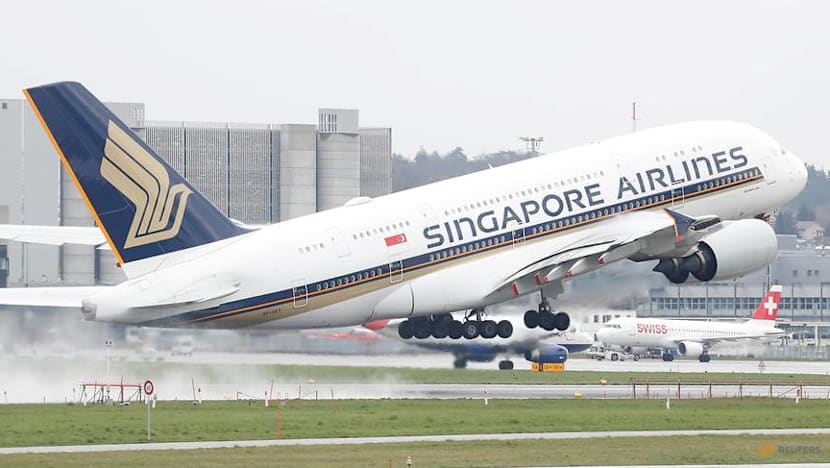
Fuel costs, Air India losses push SIA into Q1 red despite record revenue
Summarized and contextualized by DistantNews.
At a glance
News
Sources not specified
New plan
- Singapore Airlines (SIA) Group reported a net loss of S$76 million in the first quarter of 2026, marking its first quarterly deficit since the COVID-19 pandemic.
- Soaring fuel costs, exacerbated by the Middle East conflict, and increased losses from its stake in Air India significantly impacted the airline's financial results.
- Despite the loss, SIA Group achieved record revenue in the quarter, driven by strong demand, though overall expenditures rose sharply, primarily due to fuel costs.
The Singapore Airlines (SIA) Group has announced a net loss of S$76 million for the first quarter of 2026, a stark reversal from the profit recorded a year prior. This marks the airline group's first quarterly deficit since the end of the COVID-19 pandemic, signaling a challenging period ahead.
The financial downturn was primarily attributed to a substantial increase in fuel costs, which surged by S$991 million due to the ongoing conflict in the Middle East. Compounding these issues, the airline's share of losses from its investment in Air India also rose by S$42 million, further weighing down the group's net results. Operating profit saw a significant decline of S$299 million, settling at S$106 million.
Despite these headwinds, SIA Group reported record revenue of S$5,714 million for the quarter, a 19.3 percent increase year-on-year, fueled by robust travel demand. However, group expenditure climbed by 27.9 percent to S$5,609 million, largely driven by the sharp rise in net fuel costs to S$2,253 million. SIA holds a 25.1 percent stake in Air India, which itself reported a record US$2 billion loss for its last financial year and faces a potential decade-long turnaround, according to its owner Tata Sons.
SIA CEO Goh Choon Phong said Air India's transformation was a “long game” with “no shortcut”.
DistantNews Editorial
Originally published by CNA. Summarized and contextualized by our editorial team with added local perspective. Read our editorial standards.
More Stories



From Our Blog

What Gets Lost (and Found) When News Is Translated

The Critical Role of Diaspora Media in Global News

What Travellers Should Know About Countries with Restricted Press

A Digital Nomad's Guide to Following Local News

How the Same Story Looks Different in Different Countries
