

Fuel subsidies remain, fiscal deficit expected at 3.6%
Translated from Malay, summarized and contextualized by DistantNews.
At a glance
News
Named sources
Context piece
- Malaysia's fiscal deficit is projected to widen slightly to 3.6% of GDP this year, primarily due to sustained fuel subsidies.
- Increased spending on fuel subsidies in March and April has already reached RM15 billion, nearing the entire annual allocation for 2026.
- Despite concerns, analysts do not expect the deficit to reach the theoretical maximum of 4.7% due to increased government allocations.
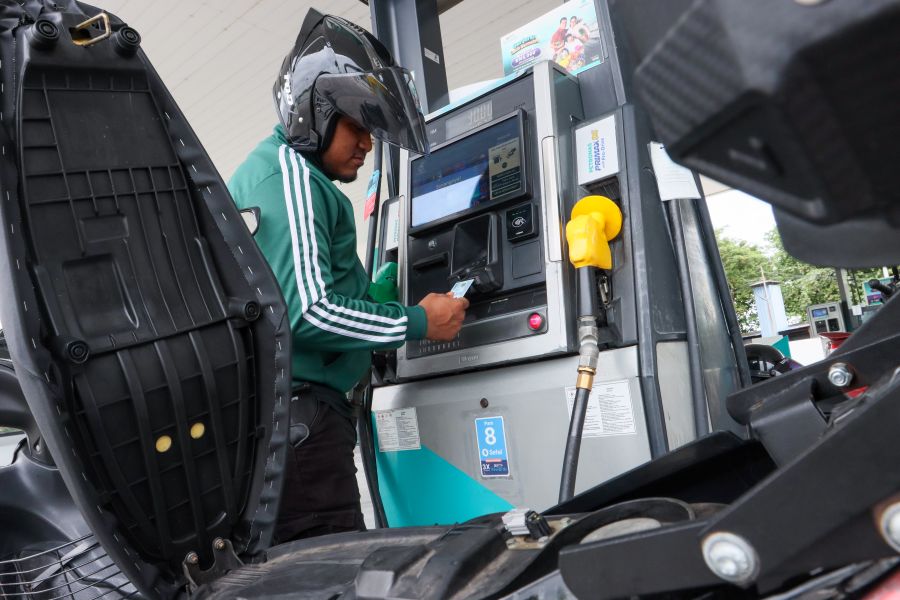
Malaysia's fiscal deficit is expected to edge up to 3.6% of its Gross Domestic Product (GDP) this year, a slight increase from initial projections. This adjustment is largely attributed to the government's decision to maintain subsidies for RON95 petrol at RM1.99 per liter, a move that has raised concerns among investors about the nation's fiscal targets.
If there is a major deviation from the target, it could increase the risk of a downgrade in the country's credit rating, which would ultimately affect the performance of the ringgit.
International credit rating agencies like Moody's, S&P, and Fitch are closely monitoring Malaysia's ability to meet its fiscal objectives. Any significant deviation could potentially impact the country's credit rating and, consequently, the performance of the Malaysian ringgit. Data indicates a substantial rise in petrol and diesel subsidy expenditures in March and April, escalating from approximately RM800 million per month in January and February to RM4.7 billion and RM4.9 billion respectively.
In the first five months of the year alone, the government has already spent around RM15 billion on subsidies, nearly matching the entire annual allocation for 2026. This surge is partly due to geopolitical conflicts impacting global fuel prices. Prime Minister Datuk Seri Anwar Ibrahim announced an increase in the total subsidy allocation for the year to RM40 billion, including an additional RM25 billion specifically to maintain the RON95 petrol price.
In the first five months of the year alone, the government has already spent about RM15 billion to cover subsidies, which is equivalent to the entire annual allocation for subsidies in 2026.
While this additional RM25 billion represents about 1.2% of GDP, theoretically pushing the deficit towards 4.7% if the original 3.5% target were strictly adhered to, analysts at Hong Leong Investment Bank (HLIB) do not anticipate such a scenario. They believe the government has sufficient financing methods, including unchanged government bond issuances and the absence of pandemic-era legislative changes, to manage the situation without a drastic increase in the deficit.
In theory, if the original fiscal deficit target was 3.5 percent of GDP and the government increased spending by 1.2 percent, there are concerns the deficit could rise to 4.7 percent. However, we do not expect that situation to occur.
DistantNews Editorial
Originally published by Utusan Malaysia in Malay. Translated, summarized, and contextualized by our editorial team with added local perspective. Read our editorial standards.
More Stories

From Our Blog

What Gets Lost (and Found) When News Is Translated

The Critical Role of Diaspora Media in Global News

What Travellers Should Know About Countries with Restricted Press

A Digital Nomad's Guide to Following Local News

How the Same Story Looks Different in Different Countries
