


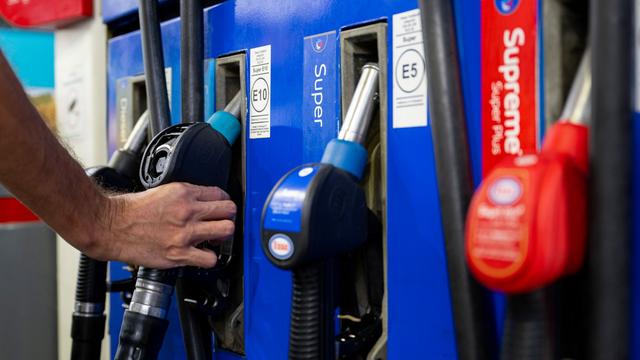
Fuel tax rebate boosts German drivers: Prices fall in May
Translated from German and summarized by DistantNews. Read the original for the full story.
At a glance
News
Sources not specified
Outcome reported
- Fuel prices in Germany decreased significantly in May due to a fuel tax rebate and lower crude oil prices.
- The tax reduction, initially not fully passed on, is now being fully reflected at the pump for gasoline types E5 and E10, according to economic institutes.
- The lower fuel costs contributed to a decrease in Germany's inflation rate in May.
Fuel prices in Germany saw a notable drop in May, offering relief to drivers after a costly April. This decrease was driven by a combination of a government fuel tax rebate and falling crude oil prices.
Initially, the 17-cent per liter tax cut, implemented in early May to cushion the impact of oil price shocks from the Iran war, was not fully passed on to consumers. However, analyses by the Monopolkommission and the Ifo Institute for Economic Research indicate that the reduction is now being completely reflected at the pump for gasoline types E5 and E10. By late May, prices for these fuels were even slightly below the level expected with the full tax rebate.
The data shows that by the end of May, the tax reduction was almost fully passed on for diesel as well. While gasoline prices saw a decrease of about 13 cents per liter in May compared to April, diesel prices dropped by a more significant 27 cents per liter. This shift meant that diesel became cheaper than Super E10 for the first time since early March.
These lower fuel costs have also helped to dampen overall consumer price inflation. Germany's inflation rate fell to 2.6% in May from 2.9% in April, according to preliminary estimates.
About this summary
Originally published by Die Zeit in German. Translated, summarized, and contextualized automatically by DistantNews, with a note on how the source frames the story. Not individually reviewed before publishing. How this works.
More Stories



From Our Blog

What Gets Lost (and Found) When News Is Translated

How the Same Story Looks Different in Different Countries

The Critical Role of Diaspora Media in Global News

What Travellers Should Know About Countries with Restricted Press

A Digital Nomad's Guide to Following Local News
