

G7 rare earths, US-Iran peace deal, Summer Davos
Summarized and contextualized by DistantNews.
At a glance
News
Sources not specified
New plan
- The Group of Seven (G7) nations agreed to reduce their reliance on China for critical raw materials like rare earths and permanent magnets.
- Leaders set a target that no single country should supply more than 60% of the G7's rare earths and magnets by 2030, aiming for 50% as soon as possible.
- European leaders are reportedly struggling to agree on how to manage the influx of low-cost Chinese imports.
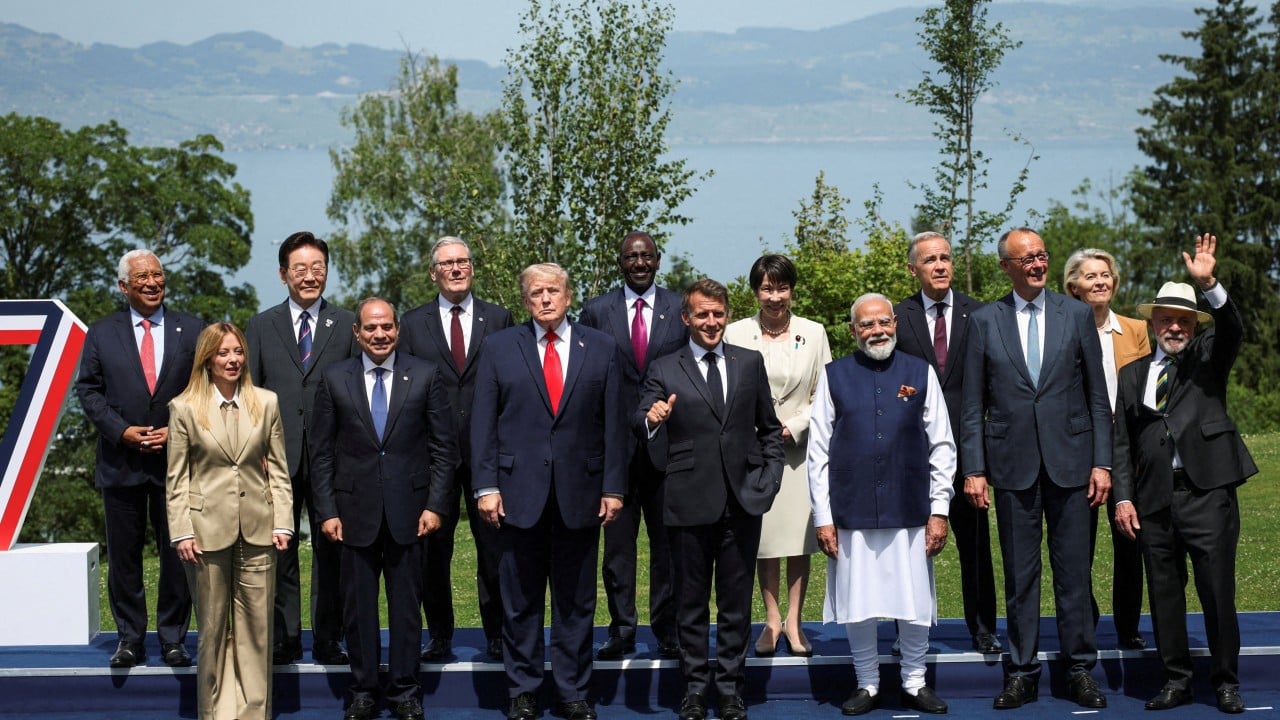
Leaders of the Group of Seven (G7) nations have agreed to diversify their supply chains for critical raw materials, aiming to lessen dependence on China. During a summit in Evian, France, the nations committed to a target where no single country would provide more than 60% of the G7's rare earths and permanent magnets by 2030. They also plan to achieve a 50% limit as quickly as feasible.
The agreement signals a strategic shift by major industrialized economies to secure access to vital materials essential for advanced technologies, including electric vehicles and renewable energy systems. China currently dominates the global supply of many of these materials, raising concerns about economic security and potential supply disruptions.
While the G7 nations have set ambitious targets for reducing their reliance on any single supplier, European leaders are reportedly facing challenges in reaching a consensus on how to address the surge of low-cost Chinese imports. This internal division within Europe could complicate the bloc's overall strategy in managing trade relations with China and protecting its domestic industries.
The G7's move reflects a broader global trend of countries reassessing their supply chain vulnerabilities and seeking greater resilience in the face of geopolitical and economic uncertainties. The focus on rare earths and permanent magnets highlights their critical role in the transition to green energy and advanced manufacturing.
DistantNews Editorial
Originally published by South China Morning Post. Summarized and contextualized by our editorial team with added local perspective. Read our editorial standards.
More Stories
From Our Blog

Countries Without a Free Press: What You Need to Know

What Press Freedom Means for the News You Read

What Gets Lost (and Found) When News Is Translated

The Critical Role of Diaspora Media in Global News

What Travellers Should Know About Countries with Restricted Press
