

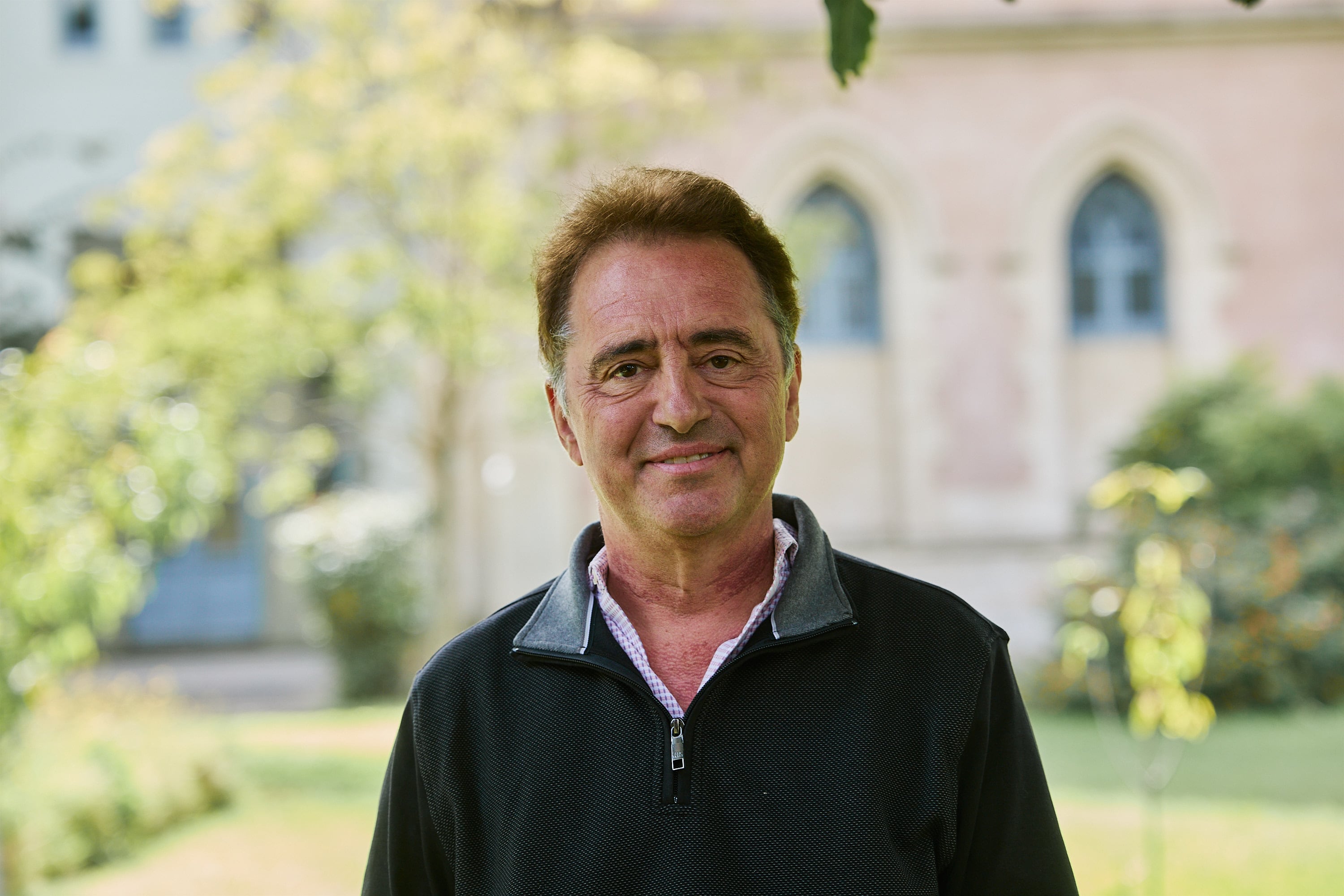

Gabriel Rolón, psychoanalyst: “Loving someone is granting them power over you, and healthy love is the one that never uses that power to harm you”
Translated from Spanish, summarized and contextualized by DistantNews.
TLDR
- Psychoanalyst Gabriel Rolón discusses the nature of love and vulnerability in relationships.
- He emphasizes that true love involves granting power to a partner but refraining from using that power to inflict harm.
- Rolón also introduces the concept of "faltacidad," a form of happiness that acknowledges life's imperfections and inherent lacks.
In a revealing conversation with LN+, renowned writer and psychoanalyst Gabriel Rolón delved into the intricate dynamics of the human psyche, particularly concerning love and vulnerability. Rolón, known for his insightful explorations of emotional landscapes, articulated a profound understanding of how affection shapes our relationships and our sense of self. His insights, shared from the perspective of Argentine psychoanalytic thought, offer a nuanced view on the power dynamics inherent in love.
Loving someone is granting them power over you, and healthy love is the one that never uses that power to harm you.
Rolón's central thesis posits that loving someone inherently means granting them a significant degree of power over you. This power, he explains, is built through the sharing of deeply personal experiences – confessions of fears, shames, and vulnerabilities that are typically reserved for the most intimate circles. "When you love someone, you grant them a lot of things that give them great power over you," Rolón stated, highlighting the profound trust involved in such exchanges. However, he immediately drew a critical distinction: the hallmark of healthy love is the partner's conscious decision *not* to wield this power destructively.
When you love someone, you grant them a lot of things that give them great power over you.
"The person who loves you healthily is the one who renounces using that power," Rolón asserted. He condemned the weaponization of personal confidences, particularly in moments of anger or conflict, labeling such actions as "unforgivable." For Rolón, using a partner's revealed pain against them signifies a fundamental rupture in the relationship, an act that undermines the very foundation of trust and intimacy. This perspective resonates deeply within a cultural context that values loyalty and emotional integrity in relationships.
The person who loves you healthily is the one who renounces using that power.
Furthermore, Rolón introduced the concept of "faltacidad," a neologism from his book *La felicidad*. This term describes a form of well-being that does not deny pain or strive for unattainable absolute happiness. Instead, it embraces an "imperfect bliss," acknowledging that life is inherently uncomfortable and unjust, marked by past experiences. "The mix of lack and happiness. Which is a happiness in lack. It is a happiness in a human being who is already missing things," he explained. Rolón’s philosophy, as presented by La Nación, encourages finding contentment in the present moment – "Happiness is the here and now" – and understanding that true happiness lies not in its permanence, but in the embrace and acceptance of its transient nature.
Using the pains that someone confided in you to harm them is an unforgivable attitude.
DistantNews Editorial
Originally published by La Nación in Spanish. Translated, summarized, and contextualized by our editorial team with added local perspective. Read our editorial standards.
More Stories



From Our Blog

What Gets Lost (and Found) When News Is Translated

The Critical Role of Diaspora Media in Global News

What Travellers Should Know About Countries with Restricted Press

A Digital Nomad's Guide to Following Local News

How the Same Story Looks Different in Different Countries
