


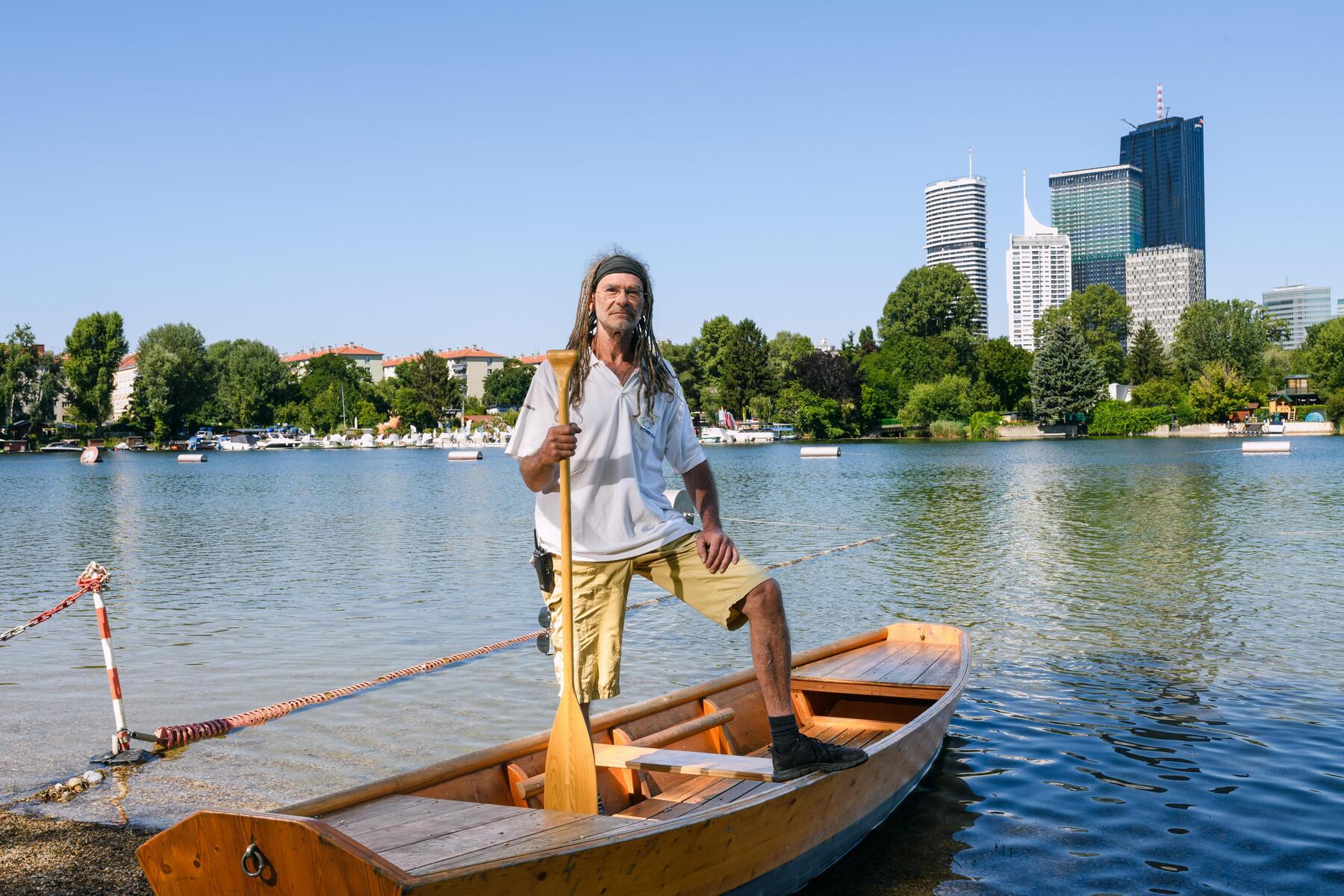
Gänsehäufel lifeguard: 'Many children can swim less well now'
Translated from German, summarized and contextualized by DistantNews.
At a glance
Interview
Named sources
Context piece
- A veteran lifeguard at Vienna's Gänsehäufel public pool discusses changes in swimming abilities among children.
- He notes an increase in incidents requiring rescue, attributing it partly to parents' decreased supervision and children's weaker swimming skills.
- Lifeguards must remain vigilant, especially in natural waters where visibility is poor, and deal with the emotional toll of rescue operations.
Erich Gsellmann, a lifeguard at Vienna's Gänsehäufel for 35 years, observes a worrying trend: children's declining swimming abilities. "My impression is that children can swim less well now," Gsellmann stated. He believes this is partly due to a lack of swimming instruction in schools, a skill he himself learned in elementary school. "Everyone could swim much better before," he added.
My impression is that children can swim less well now. Everyone could swim much better before.
Gsellmann also points to a perceived increase in parental negligence. "Parents are sometimes a bit careless," he noted, suggesting some parents may be offloading their supervisory responsibilities. While stationed at the children's beach, his primary focus was ensuring parents watched their own children. He contrasted the safety of swimming pools, where submerged individuals are immediately visible, with the challenges of natural bodies of water like the Alte Donau, where visibility is poor and drownings can go unnoticed.
He recalled incidents where lifeguards had to dive in murky waters, sometimes with tragic outcomes. The emotional impact on lifeguards is significant, with some colleagues requiring psychological counseling after difficult rescue operations. Gsellmann emphasized the constant vigilance required, developing an "eye" for unusual behavior and recognizing distress calls, even when dealing with the distractions of a crowded environment.
Parents are sometimes a bit careless.
"You have to rely partly on your luck and on the other bathers," Gsellmann admitted, describing the challenges of managing a busy pool on hot days. He recounted an instance where he was attending to a wasp sting when an elderly woman began to drown, only to be saved by other swimmers.
You have to rely partly on your luck and on the other bathers.
DistantNews Editorial
Originally published by Die Presse in German. Translated, summarized, and contextualized by our editorial team with added local perspective. Read our editorial standards.
More Stories


From Our Blog

What Gets Lost (and Found) When News Is Translated

The Critical Role of Diaspora Media in Global News

What Travellers Should Know About Countries with Restricted Press

A Digital Nomad's Guide to Following Local News

How the Same Story Looks Different in Different Countries
