


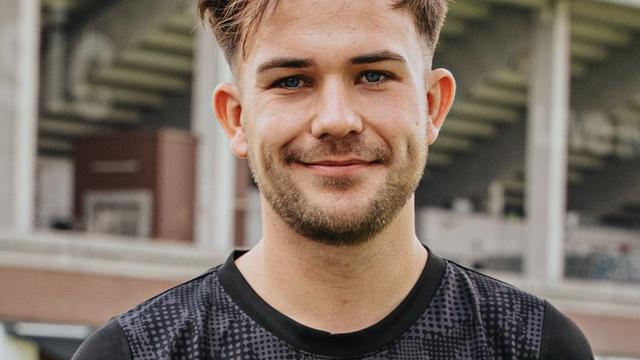
Gay football coach: Hiding identity was 'absolutely exhausting'
Translated from German, summarized and contextualized by DistantNews.
At a glance
News
From a news agency
Context piece
- St. Pauli youth coach Christian Dobrick spoke about his fears of professional repercussions after coming out as gay.
- He described initial anxieties about his sexuality being a career-ending
St. Pauli youth coach Christian Dobrick has spoken about the profound relief and lingering anxieties following his public coming out as gay. Over four months after revealing his sexuality, Dobrick shared that he had prepared himself for the possibility of his coaching career ending.
"I am now living on my own terms, for myself and no longer for others. But before, I gave a lot of thought to: Is this the end of my career? Is my sexuality the glass ceiling? I internally prepared for the possibility of no longer being able to work as a coach," Dobrick told the Tagesspiegel newspaper.
I am now living on my own terms, for myself and no longer for others. But before, I gave a lot of thought to: Is this the end of my career? Is my sexuality the glass ceiling? I internally prepared for the possibility of no longer being able to work as a coach.
Dobrick publicly disclosed his homosexuality in late March. Following his announcement, prominent football figures like former national coach Julian Nagelsmann, Bayern Munich honorary president Uli Hoeneß, and women's national coach Christian Wück advocated for a more open approach to homosexuality in football. Dobrick expressed surprise at the widespread attention his story received, noting, "I didn't expect it to become so big. I thought it would be one piece of news and it would be reported. But the flood of reactions surprised me. I'm not a national player, after all."
I didn't expect it to become so big. I thought it would be one piece of news and it would be reported. But the flood of reactions surprised me. I'm not a national player, after all.
While reactions from his personal circle and players were overwhelmingly positive, Dobrick also encountered negativity. "Of course, there are also the other voices. I was occasionally insulted, for example, as 'faggot who should find Jesus,'" he reported, referring to hateful messages on social media. He stated that he doesn't have time to report every instance to the authorities.
For Dobrick, coming out was about gaining quality of life. "The cover-ups were absolutely exhausting. You constantly think: What am I doing? When am I doing it? Who do I tell what? When you are 29 and still have a few years ahead of you in football, you have to ask yourself at some point if this is how you want to live in the long run," explained the native of Flensburg.
Of course, there are also the other voices. I was occasionally insulted, for example, as 'faggot who should find Jesus.'
Homosexuality remains a taboo subject in men's professional football, despite calls for a more open environment from fan representatives. No active male professional player in the top three German leagues has publicly come out. In women's football, however, a player's sexual orientation has long ceased to be an issue.
The cover-ups were absolutely exhausting. You constantly think: What am I doing? When am I doing it? Who do I tell what? When you are 29 and still have a few years ahead of you in football, you have to ask yourself at some point if this is how you want to live in the long run.
DistantNews Editorial
Originally published by Die Zeit in German. Translated, summarized, and contextualized by our editorial team with added local perspective. Read our editorial standards.
More Stories


From Our Blog

What Gets Lost (and Found) When News Is Translated

How the Same Story Looks Different in Different Countries

The Critical Role of Diaspora Media in Global News

What Travellers Should Know About Countries with Restricted Press

A Digital Nomad's Guide to Following Local News
