


Gaza Ceasefire Deal Faces Hurdles Amid Israeli, Islamic Jihad Objections
Translated from English, summarized and contextualized by DistantNews.
At a glance
News
Named sources
Ongoing story
- New understandings reached between Hamas and mediators could overcome Israeli and Islamic Jihad objections to a Gaza ceasefire's second phase.
- The proposed deal includes disarmament provisions and Israeli withdrawal, but Israel is expected to resist withdrawal before elections.
- Hamas insists Israel must end attacks and fulfill first-phase conditions before implementing the second phase.
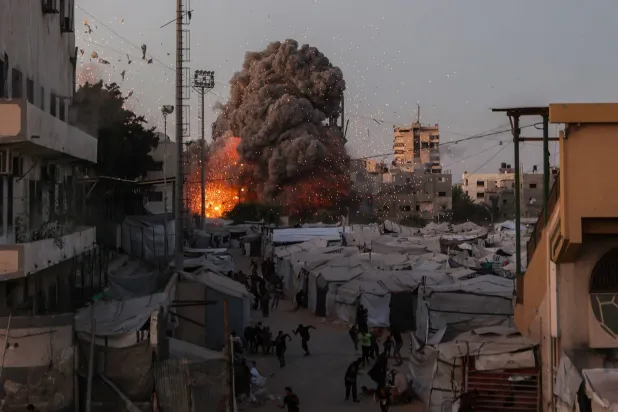
Efforts to implement a second phase of the Gaza ceasefire face potential complications from objections by Israel and the Iran-aligned Islamic Jihad, according to two informed Palestinian sources. However, these sources told Asharq Al-Awsat that pressure from the United States and mediators is likely to ensure the deal's progression.
The new understandings, reached nearly a year after the initial deal stalled, were brokered by Egypt, Qatar, and Türkiye with Hamas and other Palestinian factions. This draft agreement will be presented to Israel for approval before the second-phase roadmap can commence. The sources anticipate Israeli resistance to any withdrawal from Gaza prior to elections.
but it will agree, even if only nominally.
Islamic Jihad has also voiced concerns regarding the agreement's wording and disarmament clauses. One source indicated that Israel's stance would be more critical, likely demanding disarmament before any withdrawal. The source suggested that Islamic Jihad's objections would be simpler to resolve due to the group's less significant military structure compared to Hamas.
Hamas said it and other Palestinian factions had dealt “responsibly and positively” with the negotiations and the mediators’ proposals for completing the second phase.
Another Palestinian expert noted that mediators and factions have placed the onus on Israel, with Washington expected to pressure it into implementation. This expert believes Israel will be the primary obstacle but will ultimately agree, even if only nominally. The Board of Peace stated on X that the proposed mechanisms involve a timetable and procedures for the second phase, to be executed within 14 days of approval. The National Committee for the Administration of Gaza would then assume governing responsibilities as Israel withdraws.
Hamas stated that it and other factions engaged responsibly with negotiations. However, the group insists Israel must cease attacks and fulfill all first-phase provisions before the second phase begins. Hamas agreed to include heavy weapons in the deal only on the condition that all aggression ends and Israel withdraws, alongside early recovery efforts and the administrative committee's deployment.
Israel must first stop the killings and attacks before the parties could begin implementing the deal and setting a framework and timetable for the agreed measures.
DistantNews Editorial
Originally published by Asharq Al-Awsat in English. Translated, summarized, and contextualized by our editorial team with added local perspective. Read our editorial standards.
More Stories


From Our Blog

What Gets Lost (and Found) When News Is Translated

The Critical Role of Diaspora Media in Global News

What Travellers Should Know About Countries with Restricted Press

A Digital Nomad's Guide to Following Local News

How the Same Story Looks Different in Different Countries
