


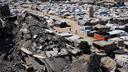
Gaza plunges into humanitarian catastrophe: People live in fear, children are bitten by rats, and thousands of bodies remain under rubble
Translated from Croatian, summarized and contextualized by DistantNews.
At a glance
News
Sources not specified
Context piece
- Residents of Gaza are living in dire humanitarian conditions months after a ceasefire, facing displacement, destroyed infrastructure, and widespread unsanitary conditions.
- Humanitarian workers report that rats are entering tents at night and biting sleeping children and newborns, causing constant fear among parents.
- Thousands of bodies remain under rubble, and identification is becoming increasingly difficult, while psychological impacts, especially on children, are severe.
Months after a ceasefire, the Gaza Strip remains mired in a humanitarian catastrophe, with residents enduring severe displacement and destroyed infrastructure. According to UN data, over 1.9 million people, nearly the entire population of Gaza, are still displaced. Many live in makeshift tents lacking basic hygiene, leading to the spread of skin and parasitic infections.
A particularly alarming issue highlighted by humanitarian workers is the presence of rodents. Rats reportedly enter tents at night, biting sleeping children and newborns. Parents live in constant fear of these attacks recurring. Inadequate sanitation has forced residents to dig improvised septic pits, further contaminating soil and water sources. Piles of waste, sewage, and millions of tons of rubble create ideal conditions for disease and pest proliferation.
Rats enter tents at night and bite children and newborns while they sleep. Parents, they say, live in constant fear that such attacks will happen again.
Despite a ceasefire agreement signed last fall between Israel and Hamas, which stipulated phased Israeli withdrawal, Hamas disarmament, and the establishment of a new Palestinian governing body, international officials state that implementation has stalled. Israel has continued military operations, while Hamas has maintained its weaponry and influence. The Palestinian Ministry of Health reports over a thousand deaths since the ceasefire, with thousands more injured. CNN data indicates that, on average, one child has died daily in Gaza since October.
Compounding the crisis, at least 7,500 missing persons are believed to be trapped under the rubble. Experts warn that bodies buried for extended periods become increasingly difficult to identify due to the degradation of crucial identifying features like height, fingerprints, dental records, and old injuries, especially with a lack of DNA analysis kits. The psychological toll of the war is also profound, particularly among children, who are observed mimicking funerals in their play as a way to process daily trauma. Young people face a near-complete lack of future prospects.
The longer a body remains buried, the harder it is to identify.
DistantNews Editorial
Originally published by Večernji List in Croatian. Translated, summarized, and contextualized by our editorial team with added local perspective. Read our editorial standards.
More Stories



From Our Blog

What Gets Lost (and Found) When News Is Translated

The Critical Role of Diaspora Media in Global News

What Travellers Should Know About Countries with Restricted Press

A Digital Nomad's Guide to Following Local News

How the Same Story Looks Different in Different Countries
