

GCC bottled water market hits $7.55 billion, driven by demand and sustainability efforts
Translated from English, summarized and contextualized by DistantNews.
At a glance
News
Sources not specified
Context piece
- The GCC bottled water market reached $7.55 billion in 2024, growing at 11% annually due to demand and health awareness.
- GCC countries increased treated wastewater reuse by 98.4% and desalinated water production by 4.8% in 2024.
- The region is adopting integrated water management policies, diversifying sources and enhancing sustainability to combat scarcity.
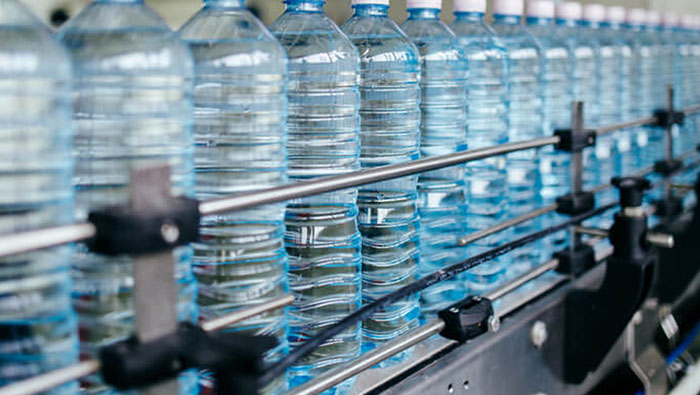
The bottled water market across the Gulf Cooperation Council (GCC) has surged to approximately $7.55 billion in 2024. This growth, at an annual rate of 11 percent, is fueled by escalating demand for bottled water, heightened health consciousness among consumers, and significant investments within the sector.
GCC nations are making strides in water resource management. Data from GCC-Stat reveals a substantial 98.4 percent increase in collected treated wastewater in 2024. This surge highlights progress in water reuse and the adoption of circular economy principles, contributing to resource preservation and environmental sustainability. Concurrently, desalinated water production saw a 4.8 percent rise compared to 2023, underscoring the continued strategic importance of desalination in meeting the region's escalating water needs, especially given limited natural water resources.
In a move towards sustainability, the annual rate of groundwater abstraction has decreased by 3 percent over the past nine years. This trend coincides with a rise in the share of renewable water sources to 25.5 percent in 2024. These indicators collectively demonstrate the GCC's commitment to sustainable water management and reducing reliance on groundwater reserves. Furthermore, rainfall rates in the region increased by 43.8 percent in 2024 compared to the long-term average, offering opportunities for enhanced water security through rainwater harvesting and aquifer recharge projects.
These developments confirm the GCC's adoption of integrated water management policies. The region is actively diversifying water supply sources, improving reuse systems, advancing desalination technologies, and conserving natural resources. These efforts are crucial for achieving Sustainable Development Goals and bolstering the region's resilience against water scarcity challenges.
DistantNews Editorial
Originally published by Times of Oman in English. Translated, summarized, and contextualized by our editorial team with added local perspective. Read our editorial standards.
More Stories

From Our Blog

What Gets Lost (and Found) When News Is Translated

The Critical Role of Diaspora Media in Global News

What Travellers Should Know About Countries with Restricted Press

A Digital Nomad's Guide to Following Local News

How the Same Story Looks Different in Different Countries
