

GCC Prioritizes Development and Diplomacy, Despite Unjustified Attacks: Secretary-General
Translated from Arabic, summarized and contextualized by DistantNews.
TLDR
- The GCC Secretary-General stated that the council prioritizes a stable and secure environment through constructive policies focused on development and prosperity.
- He emphasized the GCC's role as a reliable partner in regional and international solutions, based on diplomacy, dialogue, and respect for state sovereignty.
- The GCC has made significant efforts to prevent war and was surprised by unjustified Iranian attacks, yet maintains its focus on development and supporting needy nations.
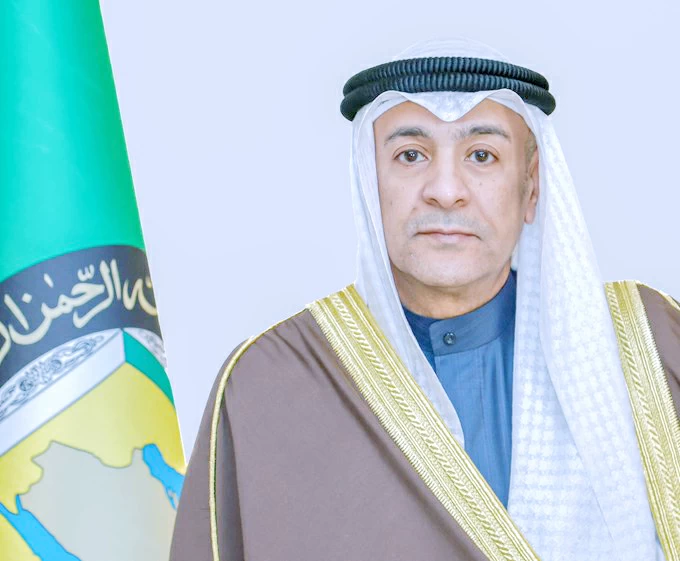
Jassim Al-Budaiwi, the Secretary-General of the Gulf Cooperation Council (GCC), articulated the council's core mission during a session at the Antalya Diplomacy Forum. He stressed that the GCC consistently strives for a stable and secure environment, guided by constructive policies centered on development and prosperity, rather than conflict. This approach, he noted, is built upon fostering mutual trust with regional and international partners, solidifying the GCC's reputation as a dependable collaborator across various platforms.
The GCC always seeks a stable and secure environment, pursuing constructive policies based on development and prosperity, not wars and conflicts.
Al-Budaiwi highlighted the GCC's historical role as a partner in diplomatic and dialogue-based solutions. He underscored the council's foundational principles, including respect for state sovereignty, non-interference in internal affairs, and the peaceful resolution of disputes. These tenets, he explained, are crucial for building confidence among nations and promoting regional harmony.
The GCC was always a partner in solutions based on diplomacy and dialogue, based on firm principles including respect for the sovereignty of states and non-interference.
Addressing the issue of unwarranted aggression, the Secretary-General pointed to the "treacherous Iranian attacks" that have impacted GCC states, acknowledging their serious repercussions on regional security and stability. Despite these challenges, he affirmed that the GCC's strategic direction remains unchanged, continuing its focus on development and providing support to nations in need. He asserted that GCC member states had invested considerable effort in war prevention, making the recent Iranian attacks both unexpected and unjustified.
GCC member states made great efforts to prevent war, yet the Council was surprised by these unjustified and illegal Iranian attacks.
Al-Budaiwi further elaborated on the GCC's proactive engagement in various regional ملفات (files/issues), notably the Palestinian cause, where it supports the two-state solution. He also mentioned the council's contributions through humanitarian aid and political initiatives. This active participation, he emphasized, reflects the GCC member states' firm belief that regional and international stability is a shared responsibility. He concluded by noting the necessity of regional organizations, stating that their success is measured not only by internal cohesion but also by their ability to build bridges of cooperation and contribute to global stability. The GCC, he added, has embraced this responsibility seriously, forging 28 strategic partnerships and collaborating with eight regional organizations, thereby cementing its position as a vital link for dialogue, peace, and prosperity.
The role of regional organizations is not an option but a necessity; their success is measured by their ability to build bridges of cooperation and contribute to global stability.
DistantNews Editorial
Originally published by Okaz in Arabic. Translated, summarized, and contextualized by our editorial team with added local perspective. Read our editorial standards.
More Stories
From Our Blog

What Gets Lost (and Found) When News Is Translated

The Critical Role of Diaspora Media in Global News

What Travellers Should Know About Countries with Restricted Press

A Digital Nomad's Guide to Following Local News

How the Same Story Looks Different in Different Countries
