


Gelman Collection's Artistic Soul Lost to Financial Value, Artist Claims
Translated from Spanish, summarized and contextualized by DistantNews.
At a glance
News
Sources not specified
Context piece
- Visual artist Mario García Torres explained that the Gelman Collection has evolved into a financial asset, losing its artistic meaning.
- A public and legal dispute is underway to prevent the collection from being moved to Spain and to ensure it remains in Mexico.
- García Torres laments that visitors now see
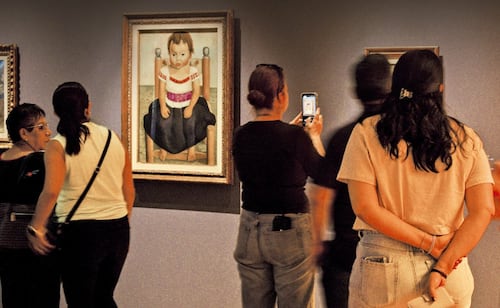
Visual artist Mario García Torres has penned a letter to Natasha Gelman, explaining the transformation of the Gelman Collection from a cultural treasure into a financial asset. The collection, still exhibited at the Museo de Arte Moderno (MAM), has seen its pieces accrue monetary value, overshadowing their original artistic significance.
The fact of possessing eleven Fridas, an extraordinary amount considering her scarce work, gradually transformed the perception of the collection. What was once a set of paintings became a cultural reference. A historical resource that, subsequently, became a financial asset. And an object of speculation. A set of works so powerful that they could change the economy and the image of a city.
This revelation comes amid a public and legal battle, supported by the "Defendamos la Colección Gelman" collective. Their aim is to prevent the invaluable 20th-century Mexican art collection from being relocated to Spain and to secure its permanent presence in Mexico. García Torres acknowledges the artworks' return to public display after nearly two decades, noting their enduring strength and their power to evoke Mexican memory, identity, and history.
Originally assembled by Jacques and Natasha Gelman out of "affection" and genuine connection with artists, the collection's trajectory shifted over decades. The global surge in Frida Kahlo's fame, whose works constitute eleven pieces in the collection, transformed it from a cultural reference into a coveted financial asset and a subject of speculation. García Torres starkly describes how the collection "learned the language of finance," serving as collateral for multi-million dollar loans after the closure of its cultural center. The artworks were eventually sold, with the latest acquisition financed through Sotheby's and later refinanced through Banco Santander due to unmet sales expectations. This financial entanglement now points towards Spain as the collection's next destination.
As the collection acquired value, it also lost its original meaning. The works became the Gelman Collection, then masterpieces; then, national treasures. And then assets, and then collateral.
García Torres expresses regret that the museum's current visitors often perceive "money" rather than art, and that the paintings' movements are no longer driven by artistic intent but by financial interests. The collection's journey illustrates a profound shift from cultural heritage to a commodity within the financial market.
money
DistantNews Editorial
Originally published by El Universal in Spanish. Translated, summarized, and contextualized by our editorial team with added local perspective. Read our editorial standards.
More Stories


From Our Blog

What Press Freedom Means for the News You Read

What Gets Lost (and Found) When News Is Translated

The Critical Role of Diaspora Media in Global News

What Travellers Should Know About Countries with Restricted Press

A Digital Nomad's Guide to Following Local News
