

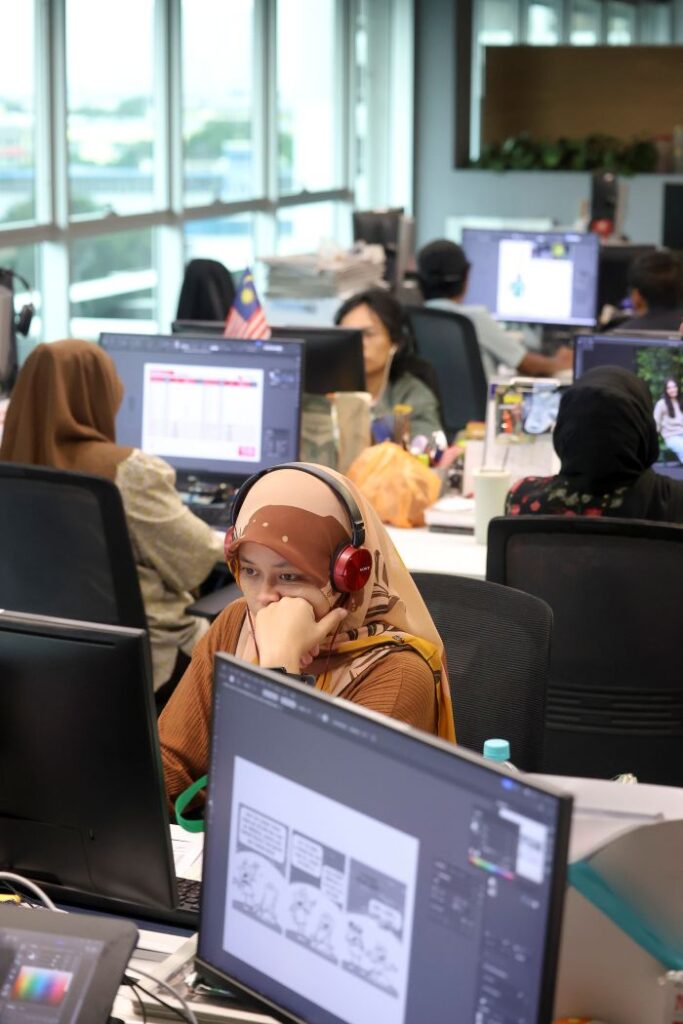

Gen Z and Malaysia's Historical Memory: Bridging the Gap
Translated from Malay, summarized and contextualized by DistantNews.
At a glance
News
Sources not specified
Context piece
- Young Malaysians, known as Generation Z, are not engaging with history due to a mismatch in how information is presented.
- Unlike traditional chronological methods, Gen Z prefers fast-paced, visual, and narrative content, making history seem distant.
- To reconnect Gen Z with history, it must be presented creatively through digital platforms, leveraging their understanding of visual and fast communication.
The perceived decline in historical interest among Malaysia's Generation Z is not simply a matter of laziness or waning patriotism, but a reflection of evolving knowledge consumption habits. Gen Z grew up in a rapidly changing information landscape, shaping their distinct ways of thinking and understanding the world.
In Malaysia, the pervasive influence of the internet and social media has made cyberspace the primary arena for information and cultural development among young people. The challenge in appreciating history stems not from a lack of access, but from the way it is traditionally taught in schools. History is often presented as a series of chronological facts, dates, and figures, which fails to resonate with Gen Z's preference for visual, concise, and narrative-driven content.
This disconnect causes history to appear as a collection of dry facts, detached from their lived experiences, rather than a dynamic and meaningful field of study. However, history is fundamentally the story of human decisions, conflicts, nation-building, and collective identity. In today's information-saturated world, attention is a scarce resource, and Gen Z's focus is constantly competing with more immediately engaging content. Social media algorithms, prioritizing content that evokes instant emotion, further sideline reflective and in-depth historical narratives.
Consequently, history risks becoming marginalized in the consciousness of young Malaysians unless it is presented in a fresh, relatable manner. This is particularly critical as digital spaces increasingly shape the values, identities, and thoughts of future generations. Without a solid grasp of history, young people are vulnerable to misinformation and oversimplified narratives. Gen Z, with their digital fluency and understanding of visual communication, are uniquely positioned to bridge the gap between history and the younger Generation Alpha, making the past relevant and engaging for the future.
DistantNews Editorial
Originally published by Utusan Malaysia in Malay. Translated, summarized, and contextualized by our editorial team with added local perspective. Read our editorial standards.
More Stories


From Our Blog

What Gets Lost (and Found) When News Is Translated

The Critical Role of Diaspora Media in Global News

What Travellers Should Know About Countries with Restricted Press

A Digital Nomad's Guide to Following Local News

How the Same Story Looks Different in Different Countries
