

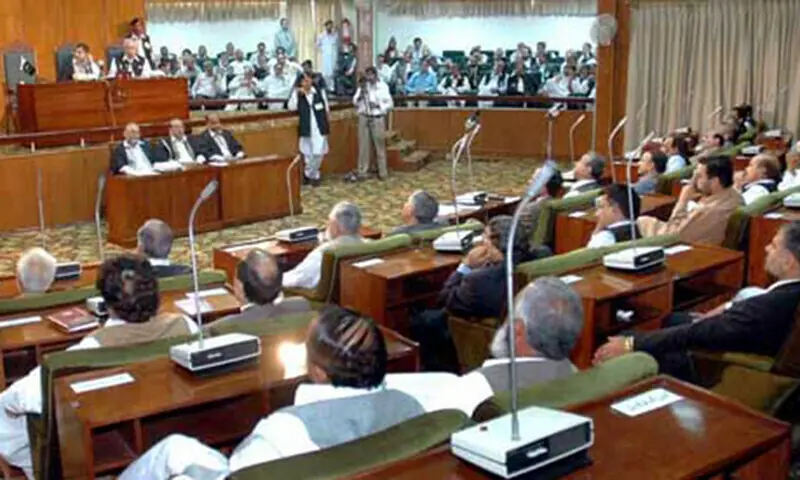

Genuine governance
Summarized and contextualized by DistantNews.
At a glance
Analysis
Sources not specified
New plan
- The Punjab cabinet has allocated funds for local government elections, a step toward restoring a democratic tier absent for over four years.
- The timing of the announcement, shortly after proposals for new provinces, suggests a potential aim to demonstrate grassroots devolution as an alternative to redrawing provincial boundaries.
- Critics argue the existing Punjab local government law concentrates power provincially, making elected representatives dependent on officials and defeating the purpose of local decision-making.
The Punjab cabinet's decision to allocate funds for local government elections marks a significant step toward restoring a democratic tier of governance that has been missing for over four years. This move suggests Punjab is finally preparing to hold polls that were constitutionally due by April 2022, following years of dissolutions, delays, and legal maneuvering.
However, the timing of this announcement is notable. It arrives just days after the interior minister, with public backing, argued that creating new provinces could improve governance. This has led to speculation that the sudden push to revive local governments might be an effort to showcase grassroots devolution as a viable alternative to proposals for redrawing provincial boundaries.
This argument, however, loses traction when considering the nature of the proposed local government system. Critics contend that the existing Punjab local government law offers devolution only in name. While it provides for elected councils, it centralizes significant administrative and financial authority within the provincial government and bureaucracy. This structure renders elected local representatives reliant on the goodwill of provincial officials for even routine decisions, undermining the core principle of bringing decision-making closer to citizens.
Punjab's legislation appears to lag behind that of other provinces, where local governments enjoy greater autonomy. The province has adopted what many consider the most centralized model of local governance. Historical experience over the past six decades demonstrates that simply holding elections is insufficient. Successive governments have dissolved local bodies and altered related laws at their convenience, treating a constitutional obligation as an optional exercise rather than a permanent feature of governance. True devolution requires more than elected councils; it necessitates constitutionally protected administrative and financial autonomy, allowing local governments to manage resources without provincial interference and ensuring local bureaucracy and police are accountable to elected representatives. Without such authority, elected councils function merely as advisory bodies with limited capacity to address citizens' needs.
DistantNews Editorial
Originally published by Dawn. Summarized and contextualized by our editorial team with added local perspective. Read our editorial standards.
More Stories

From Our Blog

What Gets Lost (and Found) When News Is Translated

The Critical Role of Diaspora Media in Global News

What Travellers Should Know About Countries with Restricted Press

A Digital Nomad's Guide to Following Local News

How the Same Story Looks Different in Different Countries
