


Geography Remains Dangerous for Romania: Summit Reveals Regional Risks and Aid Transparency Debate
Translated from Romanian, summarized and contextualized by DistantNews.
At a glance
News
Sources not specified
Context piece
- Romania's strategic position in Southeast Europe presents both advantages and risks, particularly concerning pro-Russian influence in Ukraine.
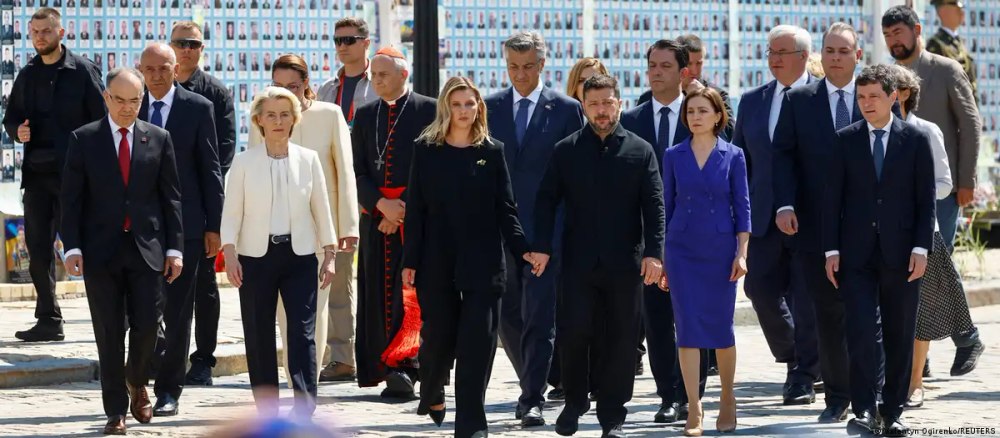
- The Romanian president attended a summit in Kyiv, emphasizing strategic corridors and Romania's expertise in EU accession.
- Transparency regarding Romania's aid to Ukraine is debated, with some advocating for secrecy citing military concerns, while others argue for openness to build trust.
The recent Southeast European summit in Kyiv highlighted both the opportunities and the inherent risks associated with Romania's strategic location. A growing pro-Russian sentiment poses a particular challenge to Ukraine's stability, a concern that resonates within the region. During the summit, the Romanian president focused on the importance of strategic corridors and offered Bucharest's expertise in the EU accession process.
However, a significant point of contention is Romania's transparency regarding its aid to Ukraine. Unlike some other donor nations, Romania has largely kept the specifics of its military and financial support confidential. This opacity has drawn criticism from domestic human rights organizations like APADOR-CH, which won a court case to access public information. They argue that "institutional secrecy does not protect national security" and instead fuels distrust and conspiracy narratives, hindering citizens' understanding of governance and public spending.
While Romania maintains that withholding details about military equipment transfers is a matter of military secrecy, the article questions whether this discretion is due to minimal contributions or a deliberate internal strategy to avoid populist exploitation by extremists. The article notes that other countries, like Poland, have declassified their aid figures, while others, such as Greece, provide total sums without detailing the equipment. Some nations, like Bulgaria and Serbia, have faced accusations of supplying arms and ammunition to Ukraine through intermediaries, despite official denials or stated policy changes.
The debate over transparency underscores a broader regional dynamic where geopolitical considerations intersect with domestic political pressures. The article suggests that while Romania's reticence might be partly driven by security concerns, it also risks alienating international partners and domestic citizens who expect greater openness in matters of national support and public funds.
O țară își ia din capacitățile sale de apărare niște echipamente și le mută în altă parte, asta uneori e bine să rămână un secret militar
DistantNews Editorial
Originally published by Adevărul in Romanian. Translated, summarized, and contextualized by our editorial team with added local perspective. Read our editorial standards.
More Stories
From Our Blog

What Gets Lost (and Found) When News Is Translated

The Critical Role of Diaspora Media in Global News

What Travellers Should Know About Countries with Restricted Press

A Digital Nomad's Guide to Following Local News

How the Same Story Looks Different in Different Countries
