


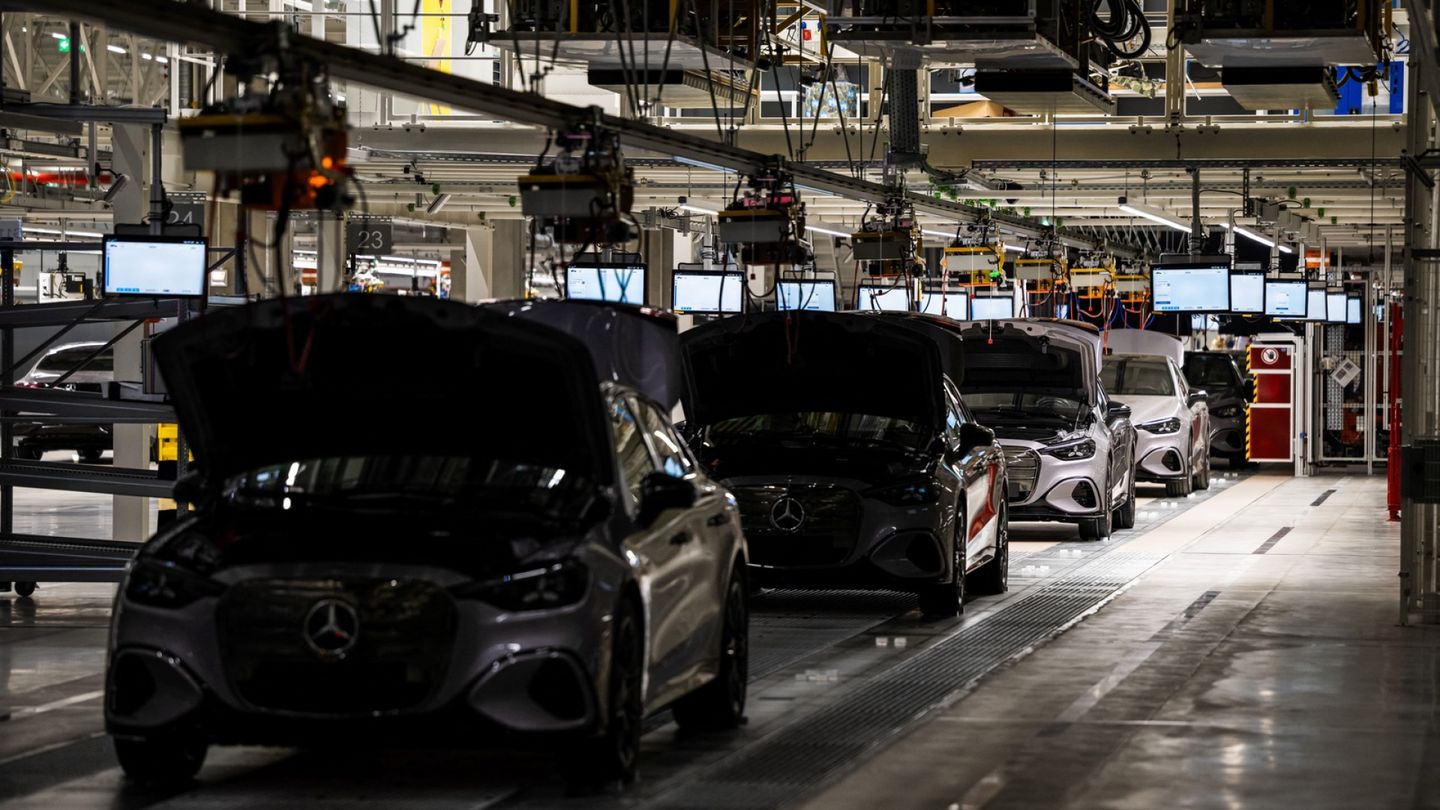
German Car Industry's Future Darkens Amid Worsening Crisis
Translated from Finnish, summarized and contextualized by DistantNews.
At a glance
News
Sources not specified
Context piece
- The German automotive industry faces a worsening crisis, impacting society and politics.
- Production of German-made cars has declined by 28% since 2016, according to the VDA.
- Mercedes-Benz celebrated its 140th anniversary, referencing the 1886 patent application for its first vehicle.
Germany's once-dominant automotive industry is facing a deepening crisis, with significant repercussions rippling through its society and political landscape. The sector, a cornerstone of the German economy, is grappling with declining production and shifting market demands.
Data from the automotive industry association VDA reveals a stark trend: the number of cars manufactured in Germany has fallen by 28% since 2016. This decline underscores the challenges posed by global competition, the transition to electric vehicles, and evolving consumer preferences.
Amidst these challenges, Mercedes-Benz marked its 140th anniversary in January. The celebration highlighted the company's historical roots, particularly the pivotal 1886 patent application by engineer Carl Benz for a gas-engine-powered vehicle. This foundational moment was treated with reverence at the company's Stuttgart headquarters.
The crisis in the German auto sector is not merely an economic issue; it has become a significant political concern. The industry's struggles raise questions about Germany's future industrial strategy and its ability to adapt to the global transformation in mobility.
DistantNews Editorial
Originally published by Helsingin Sanomat in Finnish. Translated, summarized, and contextualized by our editorial team with added local perspective. Read our editorial standards.
More Stories



From Our Blog

What Gets Lost (and Found) When News Is Translated

The Critical Role of Diaspora Media in Global News

What Travellers Should Know About Countries with Restricted Press

A Digital Nomad's Guide to Following Local News

How the Same Story Looks Different in Different Countries
