

German Development Aid Strategy Criticized for Funding Cuts and Neglect of Law
Translated from English, summarized and contextualized by DistantNews.
At a glance
News
Sources not specified
Context piece
- German development aid strategy is under fire from aid organizations Terre des Hommes and Welthungerhilfe, citing a decline in funding and disregard for humanitarian law.
- The organizations report a one-third cut in funding since 2022, with further reductions expected, and criticize a lack of a clear strategy.
- They call for greater involvement of civil society from the Global South and for Germany to uphold humanitarian principles and international law.
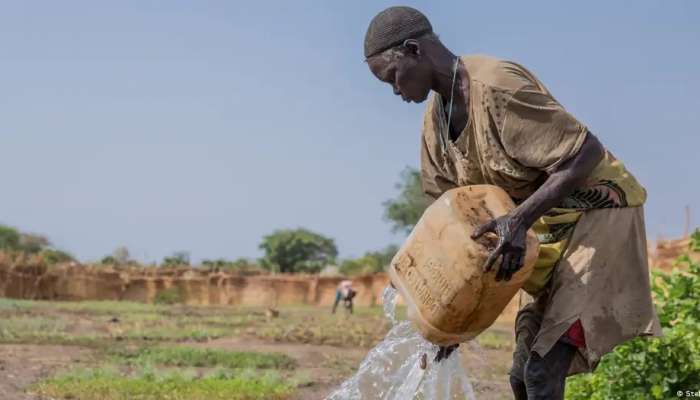
Germany's development aid strategy is facing severe criticism from prominent aid organizations Terre des Hommes and Welthungerhilfe. In their annual report, "Kompass 2026," presented in Berlin, the organizations described a "failure of political support, a drastic decline in funding and a growing disregard for international humanitarian law." They argue these factors are hindering efforts to reach people in need and undermining the effectiveness and reliability of humanitarian aid.
A failure of political support, a drastic decline in funding and a growing disregard for international humanitarian law are making it harder to reach people in need and are undermining the effectiveness and reliability of humanitarian aid.
According to the report, the budgets for Germany's Ministry for Economic Cooperation and Development and for humanitarian aid have been cut annually since 2022. Overall funding has been reduced by a third, leaving approximately €10 billion ($11 billion) for development aid and €1 billion for humanitarian aid. Further cuts are anticipated.
While the organizations suggest that development policy, both German and international, has lost its way, Mathias Mogge, head of Welthungerhilfe, clarified that the core issue is a lack of a concrete strategy. Mogge expressed dissatisfaction with the reform plan presented by Development Minister Reem Alabali Radovan in January, arguing that a political plan requires genuine partnerships between equals, not just rhetoric.
What's missing is a real strategy.
Joshua Hofert, spokesperson for the board of Terre des Hommes, summarized the criticism by stating, "The reform of development policy must not become a mere administrative project led by Berlin." The aid organizations are urging for greater involvement of civil society actors, particularly young people, from the Global South in formulating, implementing, and evaluating development policies. They emphasize that these perspectives are crucial for the legitimacy, effectiveness, and sustainability of political decisions.
The reform of development policy must not become a mere administrative project led by Berlin.
The report also highlights that Germany's significant cuts to development aid mirror a global trend of increasing military spending amid rising conflicts and crises. However, Terre des Hommes and Welthungerhilfe believe Germany is compromising its international credibility and reliability. They are calling on the federal government to better integrate development cooperation, peacekeeping, and humanitarian aid, securing them through multi-year funding. The report further recommends that the German government utilize diplomatic channels to protect humanitarian principles, prevent the political instrumentalization of aid, and more effectively advocate for compliance with international humanitarian law.
The German government should utilize diplomatic channels to protect humanitarian principles and prevent the political instrumentalisation of humanitarian aid. Furthermore, it must advocate more effectively for compliance with international humanitarian law.
DistantNews Editorial
Originally published by Times of Oman in English. Translated, summarized, and contextualized by our editorial team with added local perspective. Read our editorial standards.
More Stories

From Our Blog

What Gets Lost (and Found) When News Is Translated

The Critical Role of Diaspora Media in Global News

What Travellers Should Know About Countries with Restricted Press

A Digital Nomad's Guide to Following Local News

How the Same Story Looks Different in Different Countries
