


German Drug Enforcement Official Slams Cannabis Law: 'Cannot Function'
Translated from German, summarized and contextualized by DistantNews.
At a glance
News
Named sources
Outcome reported
- A drug enforcement official in Hannover, Germany, criticizes the partial legalization of cannabis.
- The official argues the law, implemented in April 2024, has significant flaws and "cannot function" as intended.
- He notes that while drug offenses have decreased, proving illegal drug dealing has become more difficult for law enforcement.
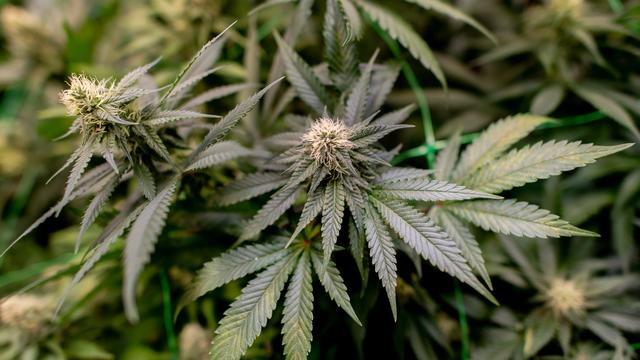
Ingo Hörmann, head of the drug enforcement unit in Hannover, Germany, has voiced strong criticism of the country's partial cannabis legalization law, enacted in April 2024. Hörmann described the law as potentially the "worst law" he has ever encountered, stating that while he is not fundamentally opposed to legalization, its current implementation "cannot function" as intended. The law permits individuals to grow up to three cannabis plants in private residences and possess up to 50 grams at home, with 25 grams allowed in public. It also allows for non-commercial cultivation associations with up to 500 members. Hörmann reported a decrease in drug-related offenses, with fewer investigation proceedings. However, he emphasized that this has not reduced the workload for law enforcement; in fact, proving illegal drug dealing has become significantly more challenging. He explained that previously, checks on consumers often led to the identification of larger dealers. Now, dealers face fewer legal consequences, with some individuals caught dealing multiple times within the year being released back onto the streets the next day as if nothing had happened. Hörmann believes the law makes it substantially more difficult to hold dealers accountable.
A prosecutor once told me it was the worst law he had ever seen.
DistantNews Editorial
Originally published by Die Zeit in German. Translated, summarized, and contextualized by our editorial team with added local perspective. Read our editorial standards.
More Stories


From Our Blog

What Gets Lost (and Found) When News Is Translated

How the Same Story Looks Different in Different Countries

The Critical Role of Diaspora Media in Global News

What Travellers Should Know About Countries with Restricted Press

A Digital Nomad's Guide to Following Local News
