

German Farmers Want to Pay Seasonal Workers, Including Poles, Less; Unions Warn of Exploitation
Translated from Polish, summarized and contextualized by DistantNews.
TLDR
- German farmers are seeking to pay seasonal workers, including Poles, less than the statutory minimum wage.
- They argue that rising labor and fuel costs are making production unprofitable and impacting competitiveness.
- Unions, however, criticize these demands, citing potential abuses and reporting excessively long working hours and high living costs for seasonal laborers.
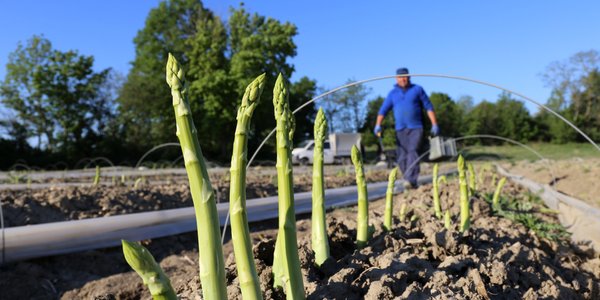
The asparagus season in Germany has once again brought to the forefront a contentious debate surrounding the wages of seasonal workers, a significant portion of whom are Polish. German farmers are lobbying for the right to pay these workers less than the current statutory minimum wage, which is set to rise to 13.90 euros per hour in 2026. Their primary argument centers on the escalating costs of production, including labor and fuel, which they claim are eroding profitability and jeopardizing their competitiveness in the market.
Farmers contend that allowing for a 'differentiated minimum wage' – specifically, paying seasonal workers 80% of the standard rate – would help alleviate financial pressure. They believe this measure would enable them to maintain competitive pricing for their produce, such as asparagus, making it more accessible to consumers. This plea highlights the economic challenges faced by the agricultural sector, where thin profit margins are easily impacted by external cost increases.
However, this perspective is strongly contested by labor unions, particularly IG Bau. Unions argue that such a move could open the door to exploitation. Reports from seasonal workers suggest that some farmers already find ways to pay less than the minimum wage through various means, including withholding deposits and charging for work attire and tools. Furthermore, concerns are raised about working conditions, with allegations of extremely long working days (exceeding 16 hours) and excessive weekly hours (over 70), alongside high accommodation and food costs that diminish the workers' net earnings. The unions advocate for fair wages and decent working conditions, emphasizing that the current demands from farmers could exacerbate existing problems for vulnerable seasonal laborers.
DistantNews Editorial
Originally published by Rzeczpospolita in Polish. Translated, summarized, and contextualized by our editorial team with added local perspective. Read our editorial standards.
More Stories

From Our Blog

What Gets Lost (and Found) When News Is Translated

The Critical Role of Diaspora Media in Global News

What Travellers Should Know About Countries with Restricted Press

A Digital Nomad's Guide to Following Local News

How the Same Story Looks Different in Different Countries
