


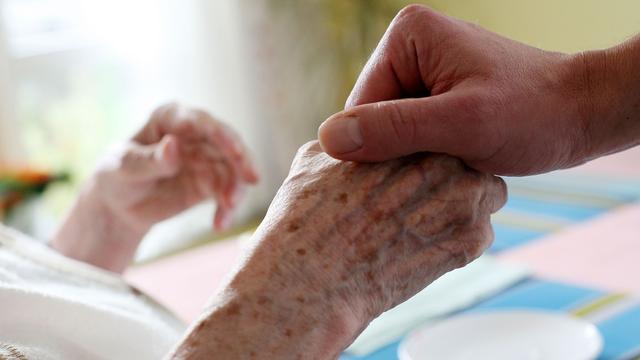
German Health Insurance Faces 8 Billion Euro Deficit by 2027
Translated from German, summarized and contextualized by DistantNews.
At a glance
News
Sources not specified
Context piece
- Germany's statutory health insurance system faces an estimated deficit of eight billion euros in 2027.
- The head of AOK, Germany's largest public health insurer, warned of the significant financial shortfall.
- The projected deficit highlights growing financial pressures within the German healthcare system.
Germany's public health insurance system is projected to face a substantial deficit of eight billion euros by 2027, according to a stark warning from the head of AOK, the country's largest statutory health insurer. This significant financial gap signals growing concerns about the sustainability of healthcare funding in Europe's largest economy.
The projected shortfall underscores the mounting costs associated with healthcare, likely driven by factors such as an aging population, advancements in medical technology, and rising treatment expenses. The AOK chief's warning emphasizes the urgent need for financial reforms or increased contributions to cover the expected deficit.
This financial outlook poses a challenge for policymakers, who must grapple with how to ensure the long-term viability of the healthcare system. Potential solutions could involve adjustments to insurance premiums, government subsidies, or reforms aimed at controlling healthcare costs. The situation reflects a broader trend of financial strain experienced by public health systems in many developed nations.
DistantNews Editorial
Originally published by Die Zeit in German. Translated, summarized, and contextualized by our editorial team with added local perspective. Read our editorial standards.
More Stories



From Our Blog

What Gets Lost (and Found) When News Is Translated

How the Same Story Looks Different in Different Countries

The Critical Role of Diaspora Media in Global News

What Travellers Should Know About Countries with Restricted Press

A Digital Nomad's Guide to Following Local News
