



German labor market: 3 million unemployed, but is improvement in sight?
Translated from German and summarized by DistantNews. Read the original for the full story.
At a glance
News
From a news agency
Context piece
- Germany's unemployment rate remains above 3 million in August, with 3.061 million people jobless.
- The Federal Employment Agency attributes the high number to the summer break but expects unemployment to decrease in September.
- Economic recovery is slow to impact the labor market, and a significant deficit is projected for the agency's budget.
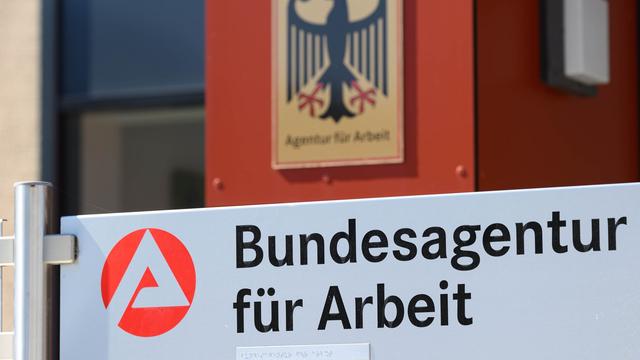
Germany's labor market shows little sign of immediate improvement, with unemployment figures remaining stubbornly above the three million mark in August. The Federal Employment Agency reported 3.061 million people were jobless, an increase of 54,000 from the previous month. This figure aligns with typical seasonal patterns for August, as young people finish school and training without immediate employment.
We assume that unemployment will fall again in the coming month.
Andrea Nahles, chairwoman of the Federal Employment Agency, cited the summer break as a primary reason for the stagnation. While she anticipates a seasonal drop in unemployment in September as businesses ramp up hiring after the holidays, she cautioned against expecting a swift trend reversal. The agency's data, collected up to August 13, shows a slight increase in the unemployment rate to 6.5 percent, up 0.1 points from July.
Nahles highlighted ongoing challenges, including elevated levels of short-time work, a low number of job vacancies, and a lack of growth impulses for employment. She noted that while an autumn recovery might push unemployment below three million, this would be largely seasonal. The delayed impact of economic recovery on the labor market could take several months, with uncertainties remaining, especially after past economic forecasts were disrupted by events like the war in Iran.
A trend reversal on the labor market is not in sight so soon.
The rising unemployment figures place a significant strain on the Federal Employment Agency's budget. Nahles projects a deficit exceeding 10 billion euros for the current year, with an additional 5 billion euros forecast for 2027. However, she suggested that a stronger economic upswing could potentially reduce the deficit next year.
We have also thought last autumn that the spring this year would be better, and then the Iran war came in between.
Labor Minister Bärbel Bas affirmed the government's commitment to boosting economic growth and strengthening the labor market, promising to implement measures to make the social welfare system more efficient this autumn. Meanwhile, the German Trade Union Confederation (DGB) issued a warning, though the specifics of their concern were cut off in the provided text.
As the federal government, we are doing everything for more economic growth in order to strengthen the labor market.
About this summary
Originally published by Die Zeit in German. Translated, summarized, and contextualized automatically by DistantNews, with a note on how the source frames the story. Not individually reviewed before publishing. How this works.
More Stories

From Our Blog

What Gets Lost (and Found) When News Is Translated

How the Same Story Looks Different in Different Countries

The Critical Role of Diaspora Media in Global News

What Travellers Should Know About Countries with Restricted Press

A Digital Nomad's Guide to Following Local News
