

German Media Praise Berlin for Blaming Russia Over Alleged Attack Plot, but Demand More
Translated from Polish and summarized by DistantNews. Read the original for the full story.
At a glance
Analysis
Named sources
Ongoing story
- German commentators welcomed Berlin’s public attribution of an alleged attack at Leipzig airport to Russia, describing it as a necessary diplomatic and political declaration.
- Commentators warned that sanctions might not deter the Kremlin and said Russia could continue disinformation, sabotage and possibly killings.
- The newspapers called for faster implementation of announced measures and better protection against Russian attacks, while describing the proposed steps as sensible but limited.
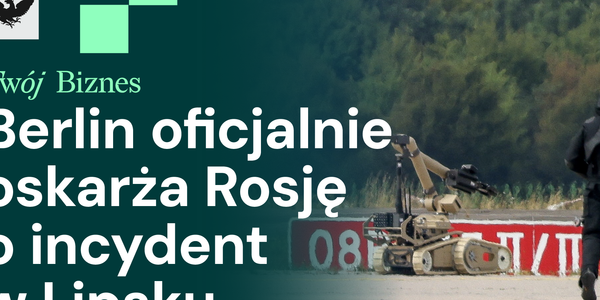
German media have broadly approved Berlin’s decision to name Russia as responsible for an alleged attack at Leipzig airport, but they do not think the government has gone far enough. The Sueddeutsche Zeitung said the accusation would create diplomatic turbulence, yet argued that Berlin had no real alternative.
Nicolas Richter wrote that Vladimir Putin and Russian security services were waging a “shadow war” against Germany. He said the perpetrators had to be identified openly, while warning that sanctions were unlikely to deter a Kremlin he described as “unscrupulous.” Russian services, he predicted, would continue to mislead, sabotage and possibly kill.
It was Russia. Saying these words is more than just dry official information about the state of an investigation. It is a political and diplomatic declaration that is new to the repertoire of German foreign policy.
Die Zeit commentator Anna Sauerbrey called the government’s position reasonable, but only “halfway courageous.” She described the statement, “It was Russia,” as more than a formal update on an investigation. In her view, it represented a new political and diplomatic declaration for German foreign policy, even though Russian responsibility was not unexpected.
The Kremlin under Putin is unscrupulous.
Sauerbrey argued that German authorities had previously responded to Russian hybrid attacks quietly and slowly to avoid confrontation. She welcomed the decision to identify Russia and announce countermeasures, saying Germany should show that such attacks would bring a firm response rather than intimidation or a change in policy toward Ukraine.
The measures under discussion include closing Russia’s last consulate in Bonn and the Russian House in Berlin, along with possible additional sanctions. Die Zeit said they sounded weak but were sensible, as Germany needed room to maneuver while Russia appeared intent on escalating the conflict. The Tagesspiegel likewise urged stronger preparation and protection, including rapid implementation of the announced steps and checks on tankers suspected of carrying Russian oil or engaging in espionage.
Germany must show that such attacks will not intimidate it, but will provoke a decisive response. They will not lead to a change in policy toward Ukraine, but will strengthen it further.
About this summary
Originally published by Rzeczpospolita in Polish. Translated, summarized, and contextualized automatically by DistantNews, with a note on how the source frames the story. Not individually reviewed before publishing. How this works.
More Stories


From Our Blog

What Gets Lost (and Found) When News Is Translated

The Critical Role of Diaspora Media in Global News

What Travellers Should Know About Countries with Restricted Press

A Digital Nomad's Guide to Following Local News

How the Same Story Looks Different in Different Countries
