

German Municipalities Criticize Nursing Reform as "Slap in the Face"
Translated from German, summarized and contextualized by DistantNews.
At a glance
News
Named sources
Context piece
- German municipalities face billions in new costs due to a planned nursing reform.
- The Städtetag, representing cities, calls the draft a "slap in the face" and demands it be scrapped.
- Critics, including the Nursing Council and state politicians, argue the reform prioritizes savings over care quality and burdens those needing care.
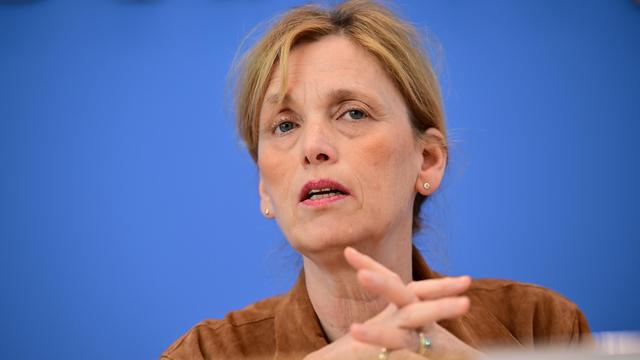
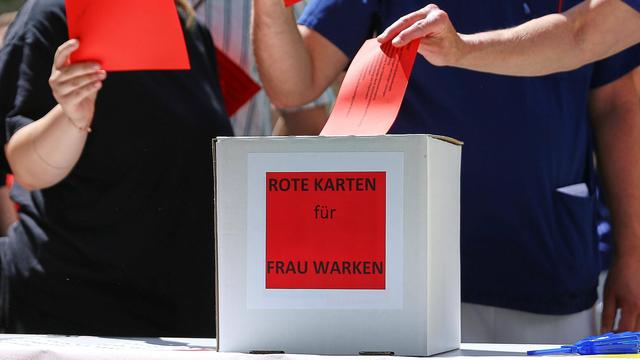
Germany's planned nursing reform is drawing sharp criticism from municipal associations, nursing advocacy groups, and politicians, who warn of billions in new financial burdens for local governments. The Städtetag, an association of German cities, has labeled the draft proposal by Federal Health Minister Nina Warken a "slap in the face" for municipalities.
a slap in the face of the municipalities
Burkhard Jung, president of the Städtetag, stated that the reform would impose additional costs in the billions and urged that the entire proposal be discarded. He questioned whether the federal government truly understands the dire financial situation of German cities. The Städtetag fears the reform will disproportionately shift financial responsibility to local authorities.
The focus is not on securing nursing care, but on the short-term consolidation of nursing insurance.
The German Nursing Council also condemned the reform, characterizing it as a "pure austerity program." Christine Vogler, president of the council, told the Redaktionsnetzwerk Deutschland that the reform's focus is on short-term consolidation of the nursing insurance system rather than ensuring the quality of care. She argued that the burden would fall heavily on the chronically ill, their families, and professional caregivers.
Those who provide the majority of care in Germany today are to be put at a disadvantage.
Specifically, the Nursing Council criticized the planned reduction in pension contribution benefits for family caregivers, highlighting the political rhetoric that praises their essential work while simultaneously diminishing their social security. Mecklenburg-Vorpommern's Minister-President Manuela Schwesig also rejected the plans, calling them a "burden package" that disadvantages those needing care and caregivers alike. She further criticized the minister for proceeding without consulting the states.
burden package
DistantNews Editorial
Originally published by Die Zeit in German. Translated, summarized, and contextualized by our editorial team with added local perspective. Read our editorial standards.
More Stories



From Our Blog

What Gets Lost (and Found) When News Is Translated

How the Same Story Looks Different in Different Countries

The Critical Role of Diaspora Media in Global News

What Travellers Should Know About Countries with Restricted Press

A Digital Nomad's Guide to Following Local News
