


German National Anthem: And What Do We Sing Now?
Translated from German, summarized and contextualized by DistantNews.
At a glance
In-depth
Sources not specified
Context piece
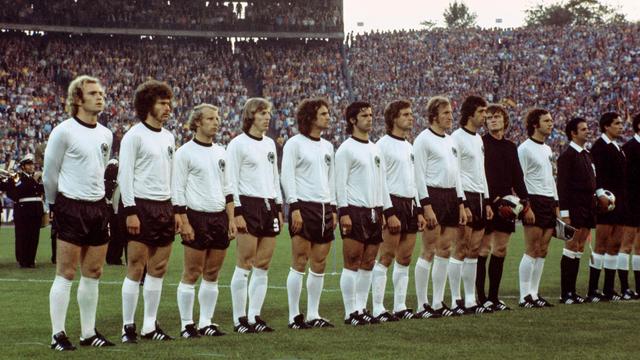
- During a 1974 World Cup match between East and West Germany, players remained silent during the national anthems.
- The match, famously won by East Germany with a late goal from Jürgen Sparwasser, is remembered for its political tension.
- The silent anthems highlight the complex relationship Germans had with their national songs during that era.
The 1974 FIFA World Cup match between East Germany and West Germany, played in Hamburg's Volksparkstadion, is etched in football history not only for its surprising outcome but also for a peculiar pre-game ceremony. As the orchestras played the national anthems, all 22 players on the field stood in silence. This quiet observance occurred for both anthems, a stark contrast to the usual displays of national pride.
This moment of silence before the highly charged match, where Jürgen Sparwasser scored the decisive goal for East Germany, has become a symbol of the era's complex political landscape. The game itself, a 1-0 victory for the East, remains a significant event in German football history.
However, the two minutes before kickoff, marked by the silent anthems, offer a profound glimpse into the divided nation's relationship with its national songs. The lack of outward reaction from prominent figures like Franz Beckenbauer and Sepp Maier, and even the goal-scorer Sparwasser, underscores the sensitive and perhaps conflicted feelings surrounding national identity and its musical representation at the time.
DistantNews Editorial
Originally published by Die Zeit in German. Translated, summarized, and contextualized by our editorial team with added local perspective. Read our editorial standards.
More Stories

From Our Blog

What Gets Lost (and Found) When News Is Translated

How the Same Story Looks Different in Different Countries

The Critical Role of Diaspora Media in Global News

What Travellers Should Know About Countries with Restricted Press

A Digital Nomad's Guide to Following Local News
