

German politicians demand more transparency from Deutsche Bahn after Berlin-Hamburg line renovation delays
Translated from German, summarized and contextualized by DistantNews.
At a glance
News
Named sources
Outcome reported
- The Berlin-Hamburg rail line reopened Sunday after extensive renovations that caused significant delays.
- Politicians from the SPD and CDU parties are calling for greater transparency from Deutsche Bahn regarding future rail projects.
- They demand more robust planning and contingency measures to prevent similar disruptions.
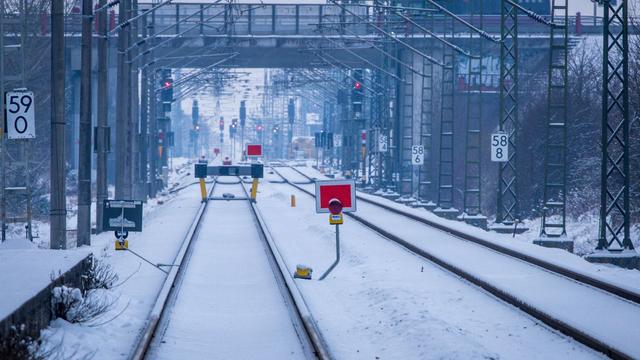
After approximately ten and a half months, the crucial rail line between Berlin and Hamburg reopened on Sunday, marking the end of a major renovation project. The general overhaul, which began in August 2025, experienced delays of about six weeks, attributed by Deutsche Bahn to frost conditions earlier in the year.
For future renovations, we need reliable time schedules and transparent communication that upholds promises made to citizens.
The reopening has prompted calls from traffic politicians within the SPD and CDU parties for increased transparency from Deutsche Bahn. Björn Simon, the CDU's spokesperson for transport policy in the Bundestag, stressed the need for reliable schedules and transparent communication that honors public commitments. He urged Deutsche Bahn's management to learn from the recent delays.
Anja Troff-Schaffarzyk of the SPD echoed these sentiments, advocating for more robust and crisis-resilient calculations for construction timelines and buffer periods, especially for critical infrastructure. "Despite the relief over the end of detours, we must not conceal the serious weaknesses of this mammoth project," she stated, emphasizing that the project's balance sheet has significant downsides that need to be addressed openly.
Construction timelines and buffers for critical infrastructure must be calculated more robustly and crisis-proof in the future.
During the renovation, long-distance and freight trains faced detours, while regional services operated on partial routes, and passengers sometimes relied on buses, with over 200 buses deployed to compensate. The politicians' demands focus on ensuring that future renovations are planned with greater foresight, incorporating more realistic timelines and contingency plans to mitigate the impact on passengers and freight.
Despite the relief over the end of detours, we must not conceal the serious weaknesses of this mammoth project.
DistantNews Editorial
Originally published by Die Zeit in German. Translated, summarized, and contextualized by our editorial team with added local perspective. Read our editorial standards.
More Stories
From Our Blog

What Gets Lost (and Found) When News Is Translated

How the Same Story Looks Different in Different Countries

The Critical Role of Diaspora Media in Global News

What Travellers Should Know About Countries with Restricted Press

A Digital Nomad's Guide to Following Local News
