


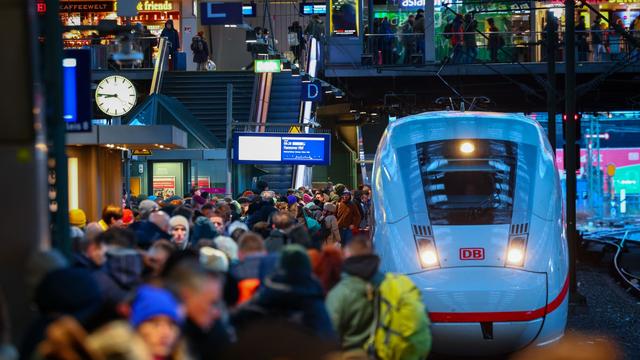
German Rail Regulator Mandates More Capacity for Competitors, Deutsche Bahn and States Object
Translated from German, summarized and contextualized by DistantNews.
At a glance
News
Sources not specified
New plan
- Germany's Federal Network Agency has ruled that Deutsche Bahn must allocate more track capacity to competitors on busy long-distance routes starting in 2028.
- The decision aims to facilitate the market entry of Italian rail company Italo and increase competition.
- Deutsche Bahn and several German states have expressed strong criticism and are considering legal action against the ruling.
Germany's Federal Network Agency (Bundesnetzagentur) has issued a final decision requiring Deutsche Bahn, the national rail operator, to cede at least a quarter of its capacity on highly utilized long-distance routes to competitors. This mandate, set to take effect for the planned 2028 market entry of Italian rail company Italo, aims to foster greater competition within Germany's rail sector.
The ruling specifically targets congested corridors, including major hubs like Munich and Frankfurt, where track capacity is limited. Italo had lodged a complaint with the agency, arguing that the current allocation of scarce rail resources unfairly disadvantages new market entrants. The Bundesnetzagentur's decision supports this view, mandating that DB InfraGo, Deutsche Bahn's infrastructure subsidiary, must make more space available.
However, the decision has met with significant resistance. Deutsche Bahn stated it would thoroughly review and evaluate the agency's ruling, with InfraGo deeming the decision legally questionable and citing "procedural and investigative errors." Several German states also voiced concerns. Bavaria's transport minister, Christian Bernreiter, fears the decision could negatively impact regional public transport (SPNV) in less frequented areas, contrary to the agency's expectations.
Brandenburg echoed these concerns, warning of a potential reduction in long-distance services in peripheral regions. The state argues that rail companies might increasingly focus on economically attractive routes, potentially leaving other areas underserved. The strong opposition suggests that legal challenges to the Bundesnetzagentur's decision are likely.
DistantNews Editorial
Originally published by Die Zeit in German. Translated, summarized, and contextualized by our editorial team with added local perspective. Read our editorial standards.
More Stories



From Our Blog

What Gets Lost (and Found) When News Is Translated

How the Same Story Looks Different in Different Countries

The Critical Role of Diaspora Media in Global News

What Travellers Should Know About Countries with Restricted Press

A Digital Nomad's Guide to Following Local News
