

German Rail Services Disrupted by System Failure, Delays Persist
Translated from German, summarized and contextualized by DistantNews.
At a glance
News
From a news agency
Outcome reported
- A nationwide digital radio system failure caused a two-hour halt in German train services late Tuesday, affecting numerous travelers.
- The disruption, attributed to an issue with the GSM-R digital railway radio system, led to significant delays and cancellations, with some problems persisting until morning.
- While Deutsche Bahn identified and resolved the technical fault, stranded passengers faced difficulties finding accommodation and information, with some reporting a lack of available hotel rooms.
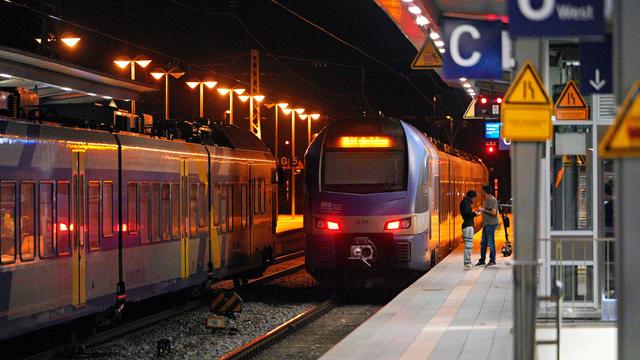
Train services across Germany ground to a halt for approximately two hours late Tuesday evening due to a failure in the digital railway radio system. The disruption, which began around 10:30 p.m. and lasted until about 0:30 a.m., stranded numerous travelers and caused widespread chaos.
Until the rail traffic normalizes again, we must expect high follow-on delays and short-term cancellations until at least 06:00.
The root cause was identified as a malfunction in the GSM-R digital railway radio system, a critical communication network for Deutsche Bahn (DB). While IT experts worked through the night to restore functionality, the company warned that the effects would linger. DB Regio Mitte advised passengers to expect significant delays and cancellations until at least 6 a.m. on Wednesday, with full normalization taking considerable time.
Until the rail traffic normalizes again, it will still take some time.
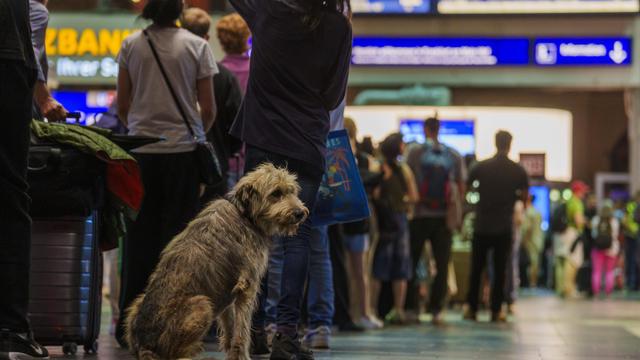
For many passengers, the outage meant being stranded without adequate information or support. Despite DB stating that taxi and hotel vouchers were issued, travelers in Frankfurt reported a complete lack of available hotel rooms. At Berlin's main station, passengers complained about the absence of timely information, although some noted that station staff were helpful.
The situation was stabilized with an emergency system.
Deutsche Bahn CEO Evelyn Palla stated that an emergency system stabilized the situation. The GSM-R system, described as replacing most analog radio systems, is crucial for operational communication, offering features like secure group calls and direct contact with service providers. The failure impacted not only long-distance and regional trains but also S-Bahn services and private railways, with freight transport also coming to a standstill.
The GSM-R mobile radio network replaces almost all analog radio systems of Deutsche Bahn AG.
DistantNews Editorial
Originally published by Die Zeit in German. Translated, summarized, and contextualized by our editorial team with added local perspective. Read our editorial standards.
More Stories


From Our Blog

What Gets Lost (and Found) When News Is Translated

How the Same Story Looks Different in Different Countries

The Critical Role of Diaspora Media in Global News

What Travellers Should Know About Countries with Restricted Press

A Digital Nomad's Guide to Following Local News
