



German Rail Services Resume After Nationwide Outage
Translated from German, summarized and contextualized by DistantNews.
At a glance
News
Sources not specified
Ongoing story
- Deutsche Bahn trains have resumed service after a nationwide disruption caused by a digital radio communication failure.
- The issue affected various train services, including S-Bahnen, private railways, and freight transport, starting late Tuesday evening.
- While the technical fault is reportedly fixed, Deutsche Bahn warns that significant delays and cancellations may persist for up to 24 hours as services normalize.
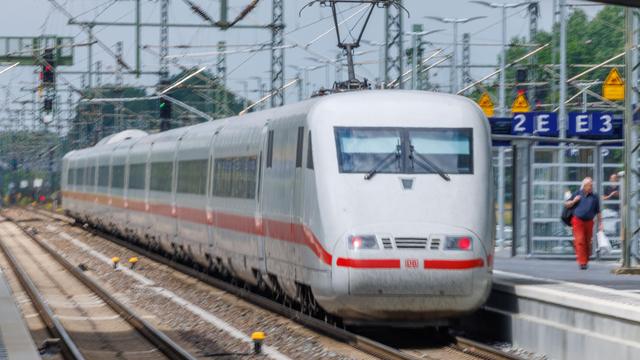
Deutsche Bahn has announced that train services are gradually resuming across Germany following a nationwide disruption that began late Tuesday evening. The extensive outage was caused by a failure in the digital railway radio communication system, known as GSM-R.
The technical issue led to a complete halt of train operations in many areas. Services impacted included regional and long-distance trains operated by Deutsche Bahn, as well as S-Bahn urban rail networks in several cities. Private railway companies and freight transport services, particularly those operating overnight, were also brought to a standstill.
Metronom, a regional operator serving Lower Saxony, Bremen, and Hamburg, confirmed that all its routes were affected. The company stated that the disruption was due to a failure in the digital radio system, which is crucial for train communication and control.
While Deutsche Bahn has identified and reportedly fixed the root cause of the malfunction, the full normalization of services is expected to take time. A company spokesperson indicated that operations are restarting "step by step." However, DB Regio Mitte and S-Bahn Berlin cautioned that passengers should anticipate significant follow-on delays and potential short-term cancellations for at least another 24 hours, until approximately 6 AM on June 24, 2026, as the system fully recovers.
DistantNews Editorial
Originally published by Der Spiegel in German. Translated, summarized, and contextualized by our editorial team with added local perspective. Read our editorial standards.
More Stories


From Our Blog

What Gets Lost (and Found) When News Is Translated

How the Same Story Looks Different in Different Countries

The Critical Role of Diaspora Media in Global News

What Travellers Should Know About Countries with Restricted Press

A Digital Nomad's Guide to Following Local News
