

German Rail to Equip Station Staff with Body Cameras
Translated from German, summarized and contextualized by DistantNews.
At a glance
News
From a news agency
New plan
- Deutsche Bahn will gradually equip station staff with body cameras, following their use in trains.
- The voluntary measure aims to enhance staff safety and de-escalate conflicts.
- Around 2,700 additional employees in station service and support will be offered the cameras.
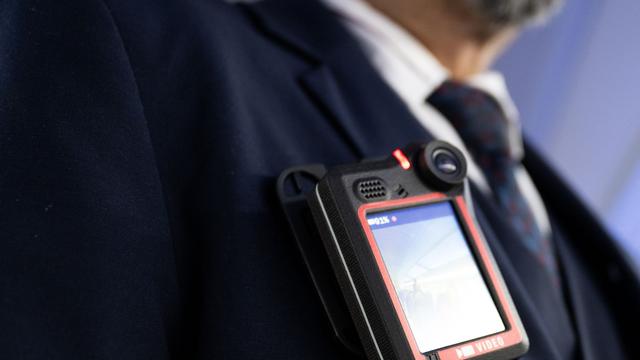
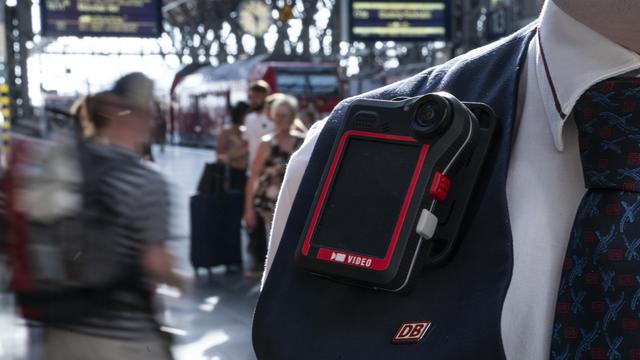
Deutsche Bahn is expanding its use of body cameras to include personnel working at train stations. This initiative follows the implementation of bodycams in both regional and long-distance train services. The company plans a gradual rollout, offering approximately 2,700 employees in station service and support roles the option to wear the cameras.
According to Katja Hüske, board member for DB InfraGO passenger stations, the bodycams are intended as part of personal protective equipment to better safeguard employees. The railway company anticipates that the cameras will have a significant de-escalating effect in conflict situations.
The decision to equip station staff comes after a period of increased concern for employee safety. Following a fatal attack on a train conductor in February, Bahn CEO Evelyn Palla had announced plans to equip all customer-facing employees with body cameras on a voluntary basis by the end of the year.
Participation in the bodycam program is voluntary for the employees. The aim is to provide an additional layer of security and support for staff who may encounter challenging situations while performing their duties at stations.
The aim is to better protect the employees through the bodycam as part of the personal protective equipment.
DistantNews Editorial
Originally published by Die Zeit in German. Translated, summarized, and contextualized by our editorial team with added local perspective. Read our editorial standards.
More Stories



From Our Blog

What Gets Lost (and Found) When News Is Translated

How the Same Story Looks Different in Different Countries

The Critical Role of Diaspora Media in Global News

What Travellers Should Know About Countries with Restricted Press

A Digital Nomad's Guide to Following Local News
