

German steel industry crisis: Thousands expected at Berlin demo
Translated from German, summarized and contextualized by DistantNews.
At a glance
News
Named sources
Ongoing story
- Germany's steel industry faces multiple challenges, including high energy prices, cheap imports, and the costs of climate-friendly production.
- The IG Metall union plans a large demonstration in Berlin to pressure the government to fulfill its promises of support for the sector.
- Production has fallen to its lowest point since 2009, with major companies like Thyssenkrupp Steel Europe announcing significant job cuts.
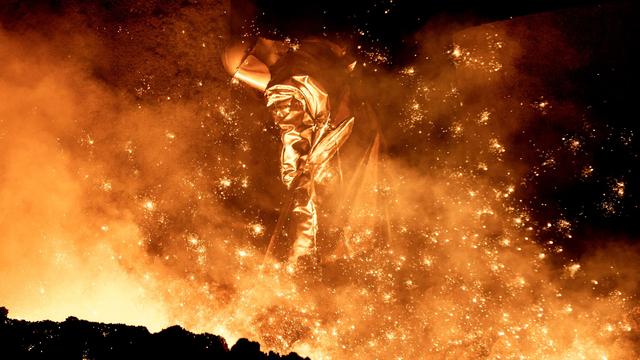
Thousands of German steel industry workers are expected to rally in Berlin on Friday, demanding that the federal government fulfill its promises of support. The IG Metall union is organizing the demonstration, which will see participants march from the Brandenburg Gate to the Federal Ministry for Economic Affairs.
Jürgen Kerner, the union's deputy chairman, stated that while the government has taken some steps to aid the steel sector, it must not "stop halfway" and needs to honor its commitments. The rally will feature speeches from leaders of the Green and Left parties, as well as works council chairpersons and labor directors from steel companies.
The German steel industry, with significant operations in North Rhine-Westphalia, Lower Saxony, and the Saarland, is grappling with a perfect storm of issues. These include a downturn in key customer industries like the automotive sector, soaring energy costs, intense competition from low-cost imports, particularly from China, and the substantial investment required for the transition to greener steel production. Additionally, high U.S. tariffs on steel imports are impacting the industry.
She must not stop halfway. She must fulfill her promises.
Last year, German crude steel production dropped to 34.1 million tons, the lowest figure since 2009. Thyssenkrupp Steel Europe, a major player, has announced a drastic restructuring plan that could eliminate or outsource around 11,000 jobs. While the government has introduced an industrial electricity price to alleviate burdens on energy-intensive sectors, and the EU has agreed to halve duty-free import quotas while imposing a 50% tariff on further imports, concerns remain.
Saarland's Minister-President, Anke Rehlinger, has expressed worry over the upcoming revision of the EU Emissions Trading System, fearing it could jeopardize the multi-billion-euro transformation of the Saarland's steel industry towards "green steel." She emphasized that a "step backward" on climate protection policies would betray the trust placed in government and EU commitments.
The path of the Saarland steel industry has been irrevocably taken in trust of the promises of the federal government and the EU Commission.
DistantNews Editorial
Originally published by Die Zeit in German. Translated, summarized, and contextualized by our editorial team with added local perspective. Read our editorial standards.
More Stories
From Our Blog

What Gets Lost (and Found) When News Is Translated

How the Same Story Looks Different in Different Countries

The Critical Role of Diaspora Media in Global News

What Travellers Should Know About Countries with Restricted Press

A Digital Nomad's Guide to Following Local News
