


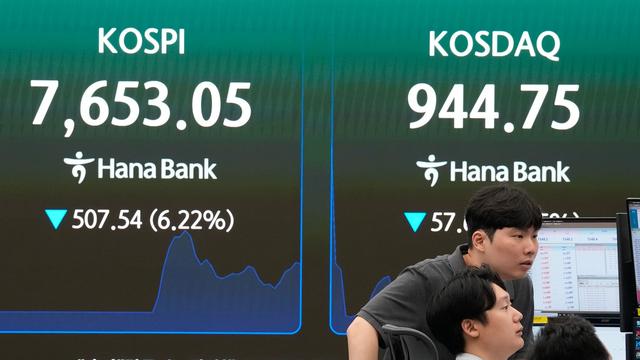
Middle East Conflict Escalation Weighs on Stock Markets in South Korea and Japan
Translated from German, summarized and contextualized by DistantNews.
At a glance
News
Sources not specified
Context piece
- Escalation in the Middle East conflict is impacting stock markets in South Korea and Japan.
- Investors are reacting to the heightened geopolitical tensions in the region.
- The downturn reflects broader global economic uncertainty driven by regional instability.
The ongoing escalation of the Middle East conflict is casting a shadow over Asian stock markets, with significant impacts observed in South Korea and Japan. Investors are closely monitoring the developments, leading to a cautious sentiment that is driving down market values.
Geopolitical tensions in the Middle East have historically triggered volatility in global financial markets. The current surge in conflict is no exception, prompting investors to seek safer assets and reduce their exposure to riskier markets. This has directly affected the performance of South Korean and Japanese equities.
The downturn in these markets is indicative of a broader trend of global economic uncertainty. The instability in the Middle East raises concerns about potential disruptions to oil supplies and trade routes, further exacerbating existing economic challenges worldwide.
Financial analysts are advising caution, suggesting that the markets may remain sensitive to news from the Middle East in the short term. The extent of the impact will likely depend on the duration and intensity of the conflict, as well as the broader geopolitical response.
DistantNews Editorial
Originally published by Die Zeit in German. Translated, summarized, and contextualized by our editorial team with added local perspective. Read our editorial standards.
More Stories


From Our Blog

What Gets Lost (and Found) When News Is Translated

How the Same Story Looks Different in Different Countries

The Critical Role of Diaspora Media in Global News

What Travellers Should Know About Countries with Restricted Press

A Digital Nomad's Guide to Following Local News
